Geen Resultaten Gevonden
De pagina die u zocht kon niet gevonden worden. Probeer uw zoekopdracht te verfijnen of gebruik de bovenstaande navigatie om deze post te vinden.


Text & photos JF. Pierets
We meet Michael Cunningham in Brussels where he is invited as an Artist in Residence by literary organisation Het Beschrijf. Coffee, Belgian chocolates and a conversation with the Pulitzer Prize-winning author of The Hours.
And, how’s Brussels?
For my purposes now Brussels’s perfect. Alive and tame enough to be the perfect backdrop for a reclusive month of work. I’m not reclusive by nature so it’s a good thing because in NYC I go out more than I should. By the way, are there some great gay bars you know of?
Coming to my next question: I heard you less mind being called a gay writer these days. What happened?
I may be overly optimistic but I feel like that’s happening less and less in the States. Nowadays it’s only at certain occasions that I’m presented as a gay writer. I even get invited to real writer things. I’m on the shelves with all the rest of the writers. My audience is all over the place and I can only conclude – certainly when it comes to literature – we’re moving out of that categorisation. We’re moving into a world in which the books are just the books. But that’s been my experience. When I started out it was much more so. I’ve actually seen it change. When my first novel came out I got invited to either gay panels or as the gay voice in straight panels. That’s not happening anymore. And it’s complicated because on one hand I don’t want anyone to be able to imagine that I am covering up my sexuality in any way. As a matter of fact, I probably make it very clear that I’m not covering it up. So far that sometimes it feels like an invasion of privacy. So on one hand I’m going to be public about it and on the other hand, the fact that I’m a gay writer is only one thing about me. I’m also a white writer, an American writer and a male writer and all those things matter. Again – and this might be absurdly optimistic – but it seems like often a sort of invisible or semi visible cohort of the writing population has to get so to speak poled out of the limelight, so as to move on to the ‘just another writer’ period. There were a lot of African American writers for a long time and less so now. A new book by an African American writer is simply received as a new book. But there may be a period in which any group that has been ignored, has to be shoved down everybody’s throats so it can become normal after a while.
But you did feel a certain pressure from the queer community.
I think one of the tricky things about the fact that there finally is a significant body of queer literature is that books by and about gay people are like books by any kind of person. It isn’t just about that this is not how novels work, that’s not a novel you want to read and less so now, but I did feel a certain pressure from the queer community to write about happy queers who are doing fine. But then I never wanted to read a book about any happy people who are doing fine. That’s not what novels are about. That’s why we love Anna Karenina, I just can’t name a significant book about happy people for whom everything turns out fine. You really cannot aim your queer expectations in those directions or we just end up with crappy books that don’t feel true. There are many ways to spread a social message but a novel is a human message. It’s about the difficulty of being human. And the complexity of being human. And it almost always involves real striving and conflict. And I think our queer novelists have to keep that in mind and present gay characters that are not stereotyped but also not impossible paragons. Those are two ways of making gay people inhuman. People are sexually complex and I think that has not really been adequately portrayed in a lot of fiction. In part because for a long time you couldn’t write about it at all. And now that we are more able to write about our characters sexuality, I certainly find a lot of it a little too simple. Certainly by 2011 queer lives were so various that the appellations straight, gay, bisexual and transgender as categories– even if we keep expanding the list – just prove inadequate. And those are things I want to write about.
There’s always one word that comes to mind when I think about the way your write and that’s ‘effortless’.
It takes a great deal of effort to make it look effortless. But that’s pretty much my aim. Don’t be dull and give something back to the people who buy your books. I’m thinking of my readers as people with no time to waste.
You write a lot about beauty. Seems quite important in your everyday life.
I’m a whore for beauty. And yes, it’s always a little autobiographical. The kind of novelist you are inevitably reflects the kind of person you are. And I love all kinds of beauty, not just the standard issued beauty, but more the unorthodox ones like a Lucian Freud painting or Leigh Bowery. But yes I am as a man, and therefore as a writer, interested in beauty. But not in the 18 year old girl on the cover of Vogue. Not the obvious. We’re so bombarded with a particular verified kind of official beauty that is actually presented by 001% of the whole population. My last book Nighthawks contains my first and last technically officially beautiful character. It had to be for the story to work. But all my other books and all the books I plan for the future involve love and sex between people who are not 22 and perfectly formed. I’m really adamant about that. I’m very much about the particular idiosyncratic beauty of my characters that are not hired by Calvin Klein for the next underwear campaign. First and foremost you have to write what you feel most passionate about. I suppose when I was one of those guys whose idea of the ultimate manifestation of human beauty was a Calvin Klein underwear model, I would write about those guys. But I’m not especially interested in that sort of Prozac obvious beauty. I’m interested in the more subtle and magical kinds of beauty that isn’t on billboards.
Does it have anything to do with aging?
No, I’ve always felt this way. For one thing, I’m sceptical about the modification of beauty because if we are sufficiently convinced that only that 22 year old Ukrainian girl on the cover of Vogue is beautiful and we would spend a billion dollars looking as much as possible like that person. It’s economic. Since I was young I didn’t like that, I don’t buy that. It’s like we’re being hoodwinked. I feel like underneath that singularly beautiful young person is someone’s desire for us to buy a 200 dollar jar of moisturiser and I don’t like that. But people love the illusion that they can stay young forever.
It would be disingenuous to say that I don’t care, but staying young forever is not in fact an option and there are times when I imagine going back in time and saying to myself at 25: “you should have more fun, lap it up, be less worried. You are 25. This is even better than you know.” But whenever I think about that I see myself sitting next to it at 58, saying the same thing. I’ve always had certain political and cultural convictions and part of me says: fuck people who say sex at 59 is over. For men and women. Women get it much worse. And if anybody is going to change that it’s going to be the people who are getting older. By not lying about your age, by looking good without desperately wanting to be 30. You know, I wish Madonna would age better. I think she’s misusing her power by continuing to insist she’s 37. So let’s focus on Julie Christie. She had no work done and looks amazing.
Talking about Hollywood, you are into movies since The Hours.
Yes, and I never have to pursue anybody. They just call me. Unfortunately, most movies I wrote didn’t make it to the screen but that’s how it works. You initiate many more products than the ones that do end up on the screen. The big companies are always very nervous that it’s not commercial enough. Sometimes that breaks my heart. For example I was doing the Dusty Springfield story with Nicole Kidman for a big movie company. Turned out they had not really done their research. During the meeting I did say she was a lesbian and they didn’t expect us to change that, but I had no idea they where unaware of the fact she took a pound of cocaine a day and flushed it away with a quarter of vodka. She was in and out of rehab, hallucinated and got beaten up by her girlfriends. Seemed that the studio wanted a singing leprechaun. They thought lesbian is edgy enough, let’s leave it to that. A happy preppy Dusty with just that little thing about her, didn’t quite cover the story because both Nicole and I wanted to do the real thing. It’s a pity, but that’s the way things go in the movie business. They only care about if it makes a hundred million dollars. Even the involvement of Kidman doesn’t make a difference. The whole star-thing is breaking down in Hollywood. It’s a kind of shift in Zeitgeist that nobody understands. A big star is no guarantee anymore for a box-office hit. All I can think about is that the audience has had enough of shitty movies that accidentally have a star in it.
What about the stardom that comes with winning a prestigious prize?
Winning the Pulitzer Prize made writing less fun. I pretty much gotten over that too much expectations-thing but in the beginning I thought: “fuck, what I am going to do now?” It was frustrating but also very freeing to write books that nobody paid attention to. And it turns out both the good news and the bad news is that people are going to pay a lot more attention now. And yes, it freaked me out at first but then after a while I thought: “what if you would just get over a streak of good fortune that other people would kill for. What if you’d just get the fuck over it and go on.” But it is still in the back of my mind. Whatever your stature is in the world as a writer or any other kind of artist, you have to maintain a certain kind of recklessness. A certain kind of disregard for how a book will go over, a certain willingness to write in a different way that may not please the people who loved The Hours so much. And I have to hold on to that. And it can be a little more work to hold on to it when another book has been so successful. And you have to remind yourself: “it’s fine! Do not write that book again.” Sometimes I would love to be one of those people who are truly indifferent to public opinion. I can convince myself I’m indifferent to public opinion but there’s something in many of us that -once you’ve gotten prizes and were on best seller lists – makes us want that again and you have to slap yourself sometimes and say: “you may never get that again”. So you have to cultivate as much of indifference to that as you can. Be grateful for the fact it happened once.
Is there an amount of luck involved?
Any artist who’s successful has to acknowledge that there is some luck involved. I’m really good at what I do, I’ve worked really hard for a long time and as it turned out the world was interested in this short book about three women. No-one expected that, nobody looked at that book and said: I smell a hit. Especially me because I always wrote what I wanted and every time I told myself: “I promise, after this one I’m going to write my bestseller.” There aren’t that many good writers in the world. I’m a very good writer and I’m one of the few who are successful. And yes, there are other writers who are really good but didn’t get a break. Who didn’t write the right book at the right time. Something just didn’t happen, their number didn’t come up yet. Mine did. Working hard and being good at what you do doesn’t necessarily lead to celebrity and success. You never know. And publishers have not figured out how to guarantee success for a book.
But you don’t have the feeling you’ve already written THE book, the headlight of you career?
I feel like every book is a little better than the last one. I think that’s how it’s supposed to work. That you spend your life learning how to write novels by writing them and you die still learning how to write a novel. Ideally you live a long productive life in which each book increases your powers slightly and you are better able to summon complex emotions, you’re better able to render a scene, you know what’s too much, what’s too little. But almost inevitably the world picks one book out of the continuant – saying this is THE book. There’s this famous curse of the Nobel Prize meaning that you are fucked forever.
But it does give you that immortal glance.
Immortality is such a dead end because no-one knows and if we could summon a well-read person from 100 years ago and show that person a list of the books from his or her time to us now, I think there would be some pretty surprising titles. Like Virginia Woolf in her time, she had some recognition but she was no Hugh Walpole. He was the Don Delilo of those days. Nobody knows him now. You see, everybody gets forgotten. There’s a tiny, tiny fraction of people who are actually remembered just through their work.
One more thing about The Hours. Laura Brown, one of your characters, is abandoning her child which is considered being one of the last taboos. Do you have some taboos yourself?
My only taboo as a writer is stereotypes. I couldn’t write about a woman whose husband beat her up because she kind of deserves it. I wouldn’t write about a gay man who arranges flowers and hasn’t got a thought in his head except getting laid and going to a party. Even though I think that man exists. But you’re right, an ambivalent mother is just one of the last taboos and I can’t tell you how many women came up to me after reading The Hours and said: “that was my life and I never read about it before. Thank you for finally writing about a mother who actually has some mixed feelings about her child.” Because there are more than you think.
Leaves us nothing but to ask about your Big Dreams for the future.
At the risk of sounding insipid, I would love more of what I already got. I do work I really care about. I guess if I would pray, I prayed for continuance rather than some kind of big change. I think that’s an indication of living the life you want. If you hope for enormous changes maybe you should be making them, maybe you should be out there doing something about that. But I like my life, I feel challenged, engaged by my work and I have great friends. But if you would ask me to choose one thing, than I would love to be able to.. well… come three times in a row.
Thanks to Het Beschrijf for arranging this meeting.
Thanks to Passa Porta bookshop – Brussels for letting us use their basement.
www.michaelcunninghamwriter.com
www.beschrijf.be
www.passaporta.be


De pagina die u zocht kon niet gevonden worden. Probeer uw zoekopdracht te verfijnen of gebruik de bovenstaande navigatie om deze post te vinden.
Text JF. Pierets
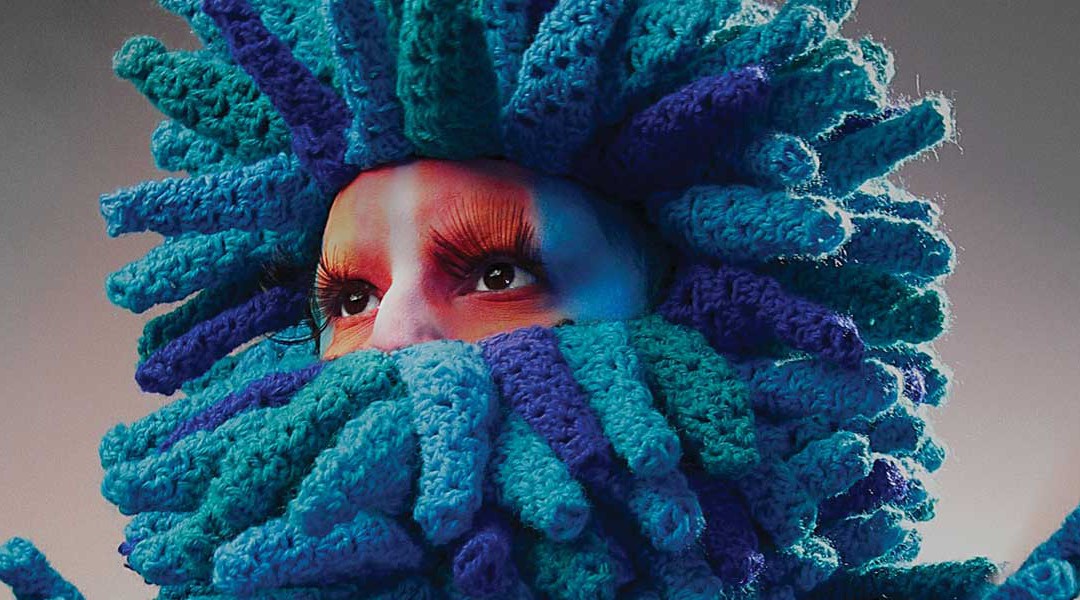
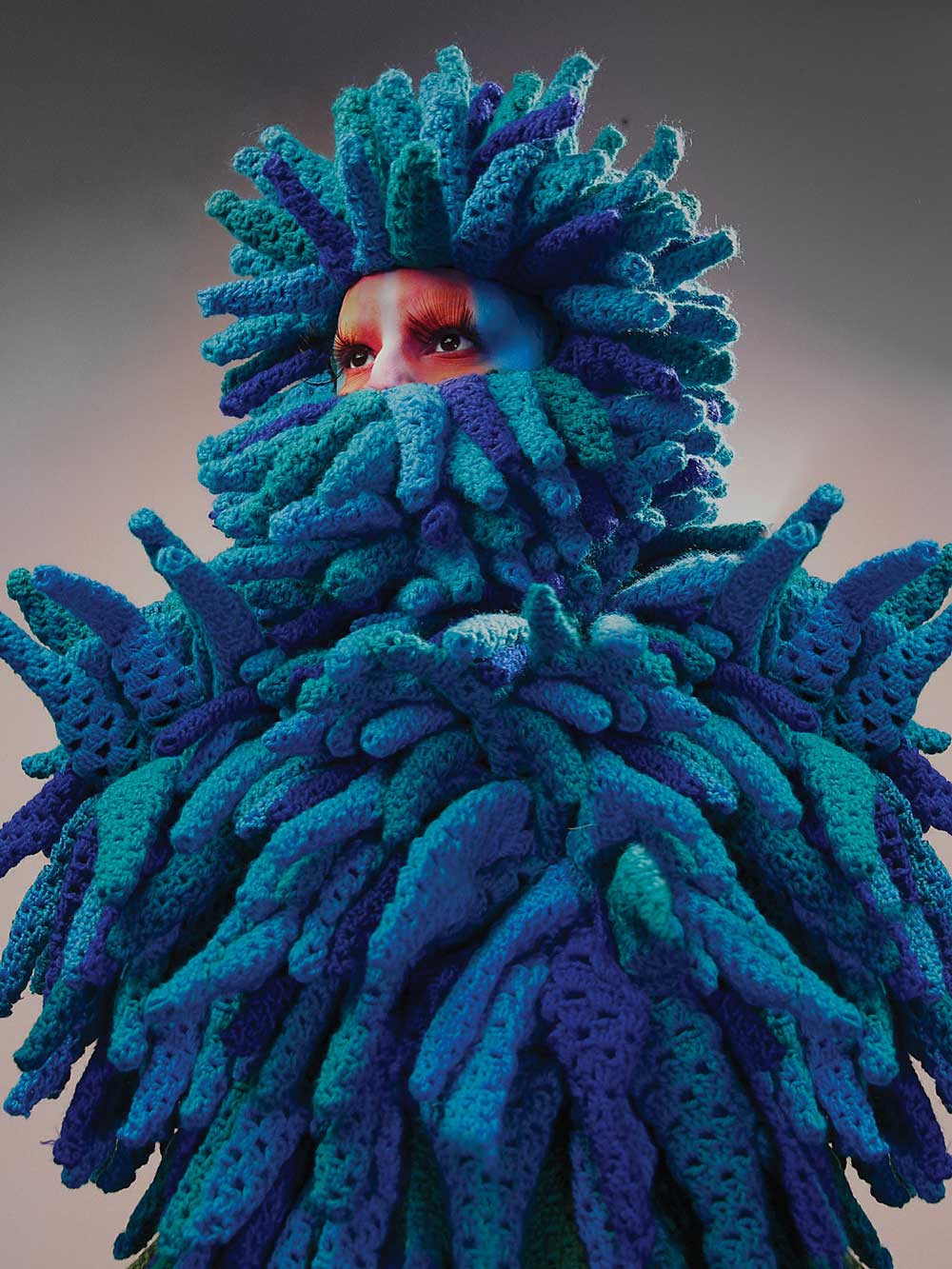
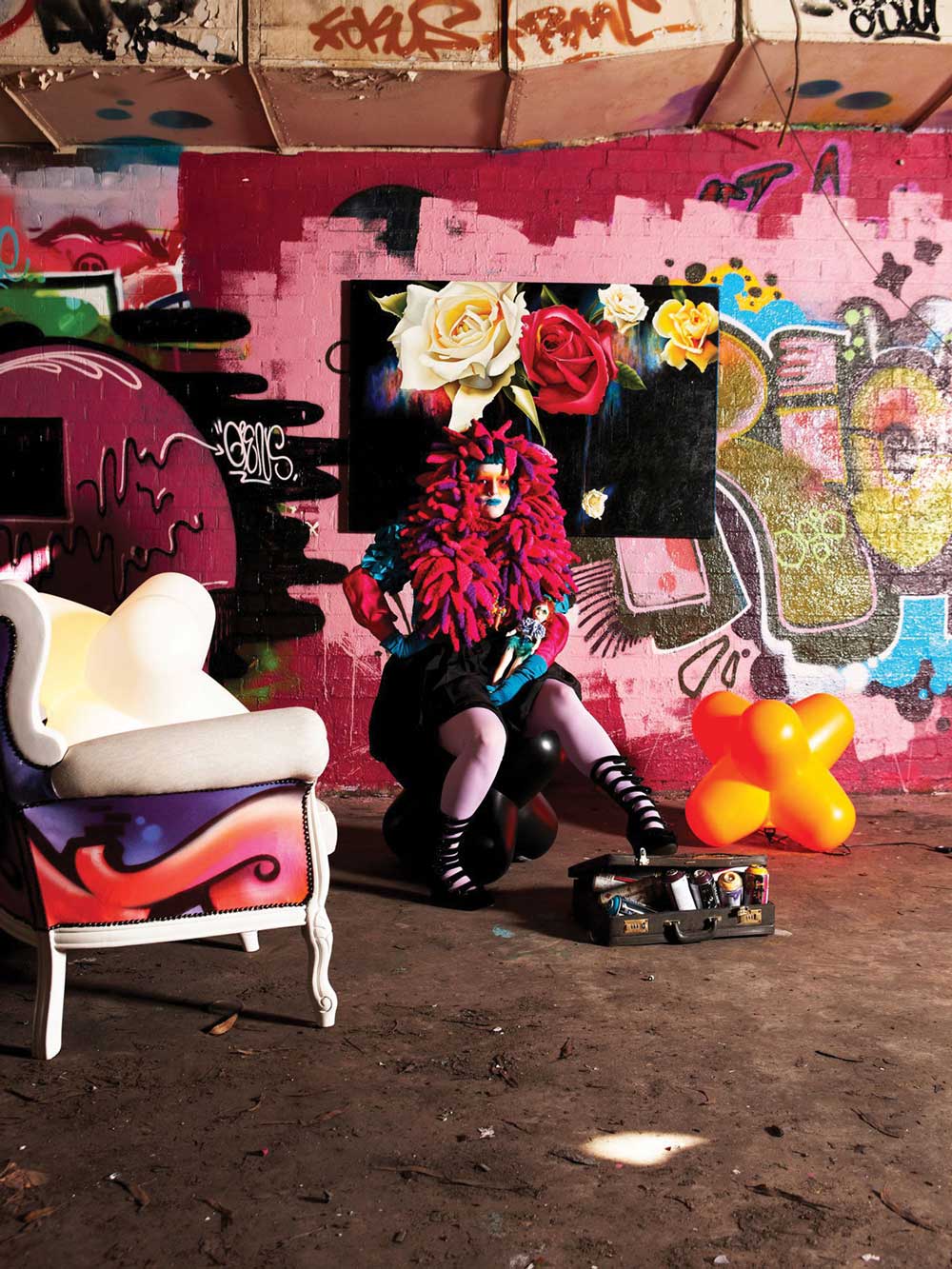
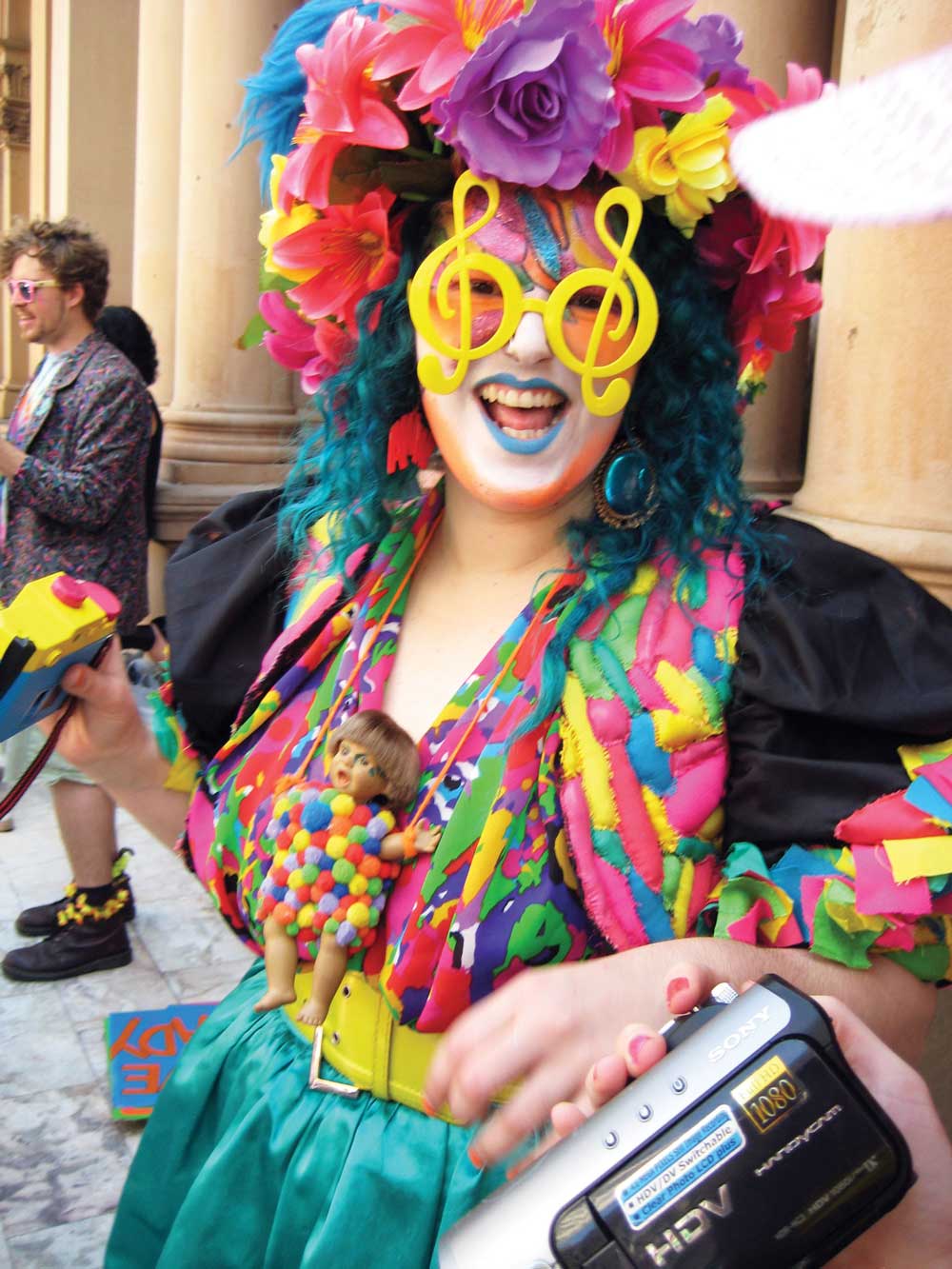
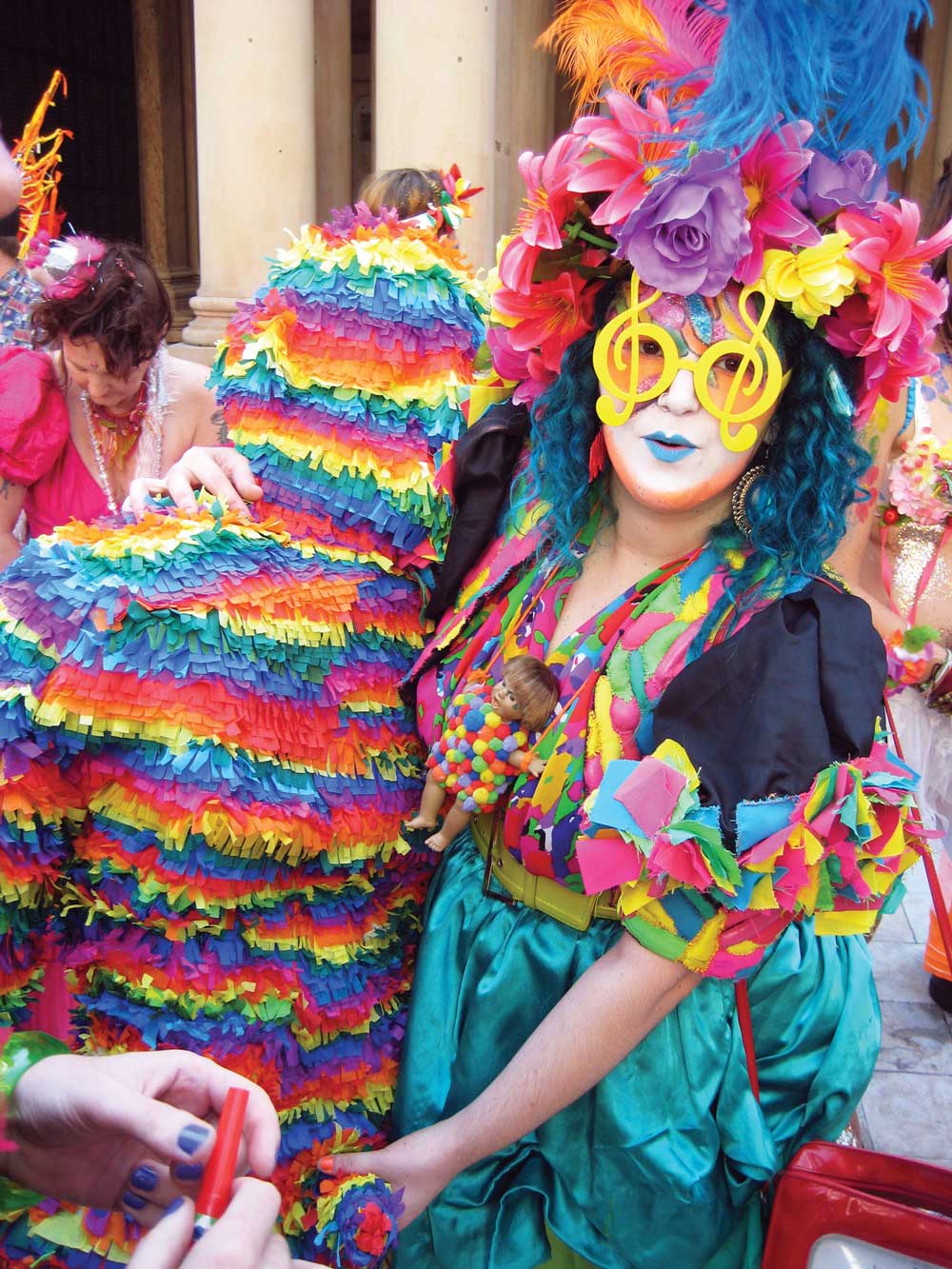
Her calling card in life is to explore and to experiment with different mediums in order to create something new. Creating is her obsession and passion and she refuses to put herself in a bubble by sticking to one thing only. Next to being a designer, artist and performer, she’s also the leading lady of one of the happiest parades in the world. The Sydney Colour Parade.
On dreams
My mother taught me how to crochet when I was eight but everything started when I saw work by the The Icelandic Love Corporation. The crocheted work they did for Björk was so amazing and mind blowing that I knew what I was heading for. I believe that you can be whatever you want to be in this world as long as you do it every day. Let’s say practice makes perfect!
On inspiration
I get my inspiration from plants, insects and the ocean. The ocean is the main place I draw from. My world situates underwater, in the depths of the sea that has not yet been explored. I would like to create an entire world of fluorescent beauty and inspire future creatives to go along with their own endeavors. I want to remind the world that there are no limits.
On fashion
There’s definitely a niche market out there that would be up for some wardrobe jazz-up. Once a year I do a solo exhibition, and I have displayed in galleries in Berlin. I’ve been involved in collaborative fashion shows such as the ‘Being Born Again’ couture show in Sydney. Along with my partner in crime, Casio Ono, we have done commissioned work for a label called Emerald Couture but we’re not really into the commercial fashion industry. Our pieces take so long to assemble that it would be impossible to mass produce. Also, I see myself as more of an artist than as someone who’s working for a giant monster. But don’t get me wrong, we are always open for collaborations. If it means that fashion would be more inspiring to look at, then everyone should have a pair of pom pom gloves!
On changing movements
I can’t deny the other amazing people out there who create, evolve and constantly push their boundaries. Throughout history there have been collectives of artists who pop up simultaneously and inspire the world into evolving. It’s like they’re launching themselves into the future. Groups like Bauhaus, Dadaists and the Surrealists, they created work that’s timeless. Like I said, creativity has no boundaries and these people keep reminding us of that.
On the colour parade
The Colour Parade is an artistic statement that celebrates creativity, self-expression and freedom. It’s an opportunity to meet like-minded characters. We created the parade to show people that you don’t need money to have a good time. It’s a reminder that the human spirit is still very optimistic, even in this day and age. For four years now we have lit up Sydney’s streets with a cacophony of colour and music. The people who are part of the parade express themselves in whatever craziness they like. They bring music makers, hoops, glitter, streamers, flowers and signs they created themselves. Not to mention the incredible outfits. It’s just plain celebration.
On mission statements
The Colour Parade is not a political parade but the more “closed” our society becomes, the more “controversy” we create. The setting around us is so grey and confirmative that we want to inspire everybody to be whom they want to be. It’s about bringing together like-minded people so you can certainly expect to expand your circle of friends with all the activated, inspired, explosive and expressive individuals you will encounter.
On Sydney
The Colour Parade is about opening Sydney’s vision and to let its beautiful, open-minded people out on the streets to connect and make some noise. Sydney is very commercial and mundane and that automatically influences some artists to the extreme. The public always reacts different when they see the parade. Some people are confused, some are scared, but some get inspired and even join us. And why not, because at the end of the day, we are just a bunch of people walking down the streets expressing ourselves with colour and adornment.
On the future
Casio Ono and I are moving to Berlin. We went there for seven months last year and met some amazing people I’m excited to work with. I want to be able to travel and show my work around the world, perhaps even Japan. That place is like another planet! And who knows, at the end that might be the place where I belong.
De pagina die u zocht kon niet gevonden worden. Probeer uw zoekopdracht te verfijnen of gebruik de bovenstaande navigatie om deze post te vinden.
Text Akim A.J. Willems
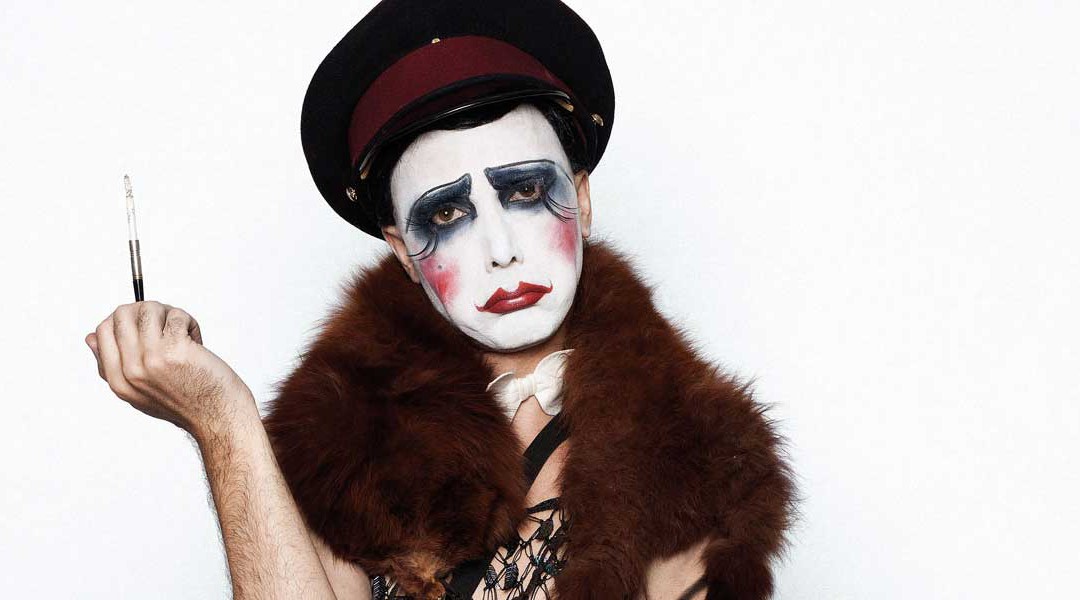
“I wouldn’t mind appearing on the cover of Vogue.” Mr. Pustra aims for no less than the sky when he is asked about his goal for 2012. Knowing one should never run before one can walk, he tests the waters with an interview for Et Alors? Magazine.
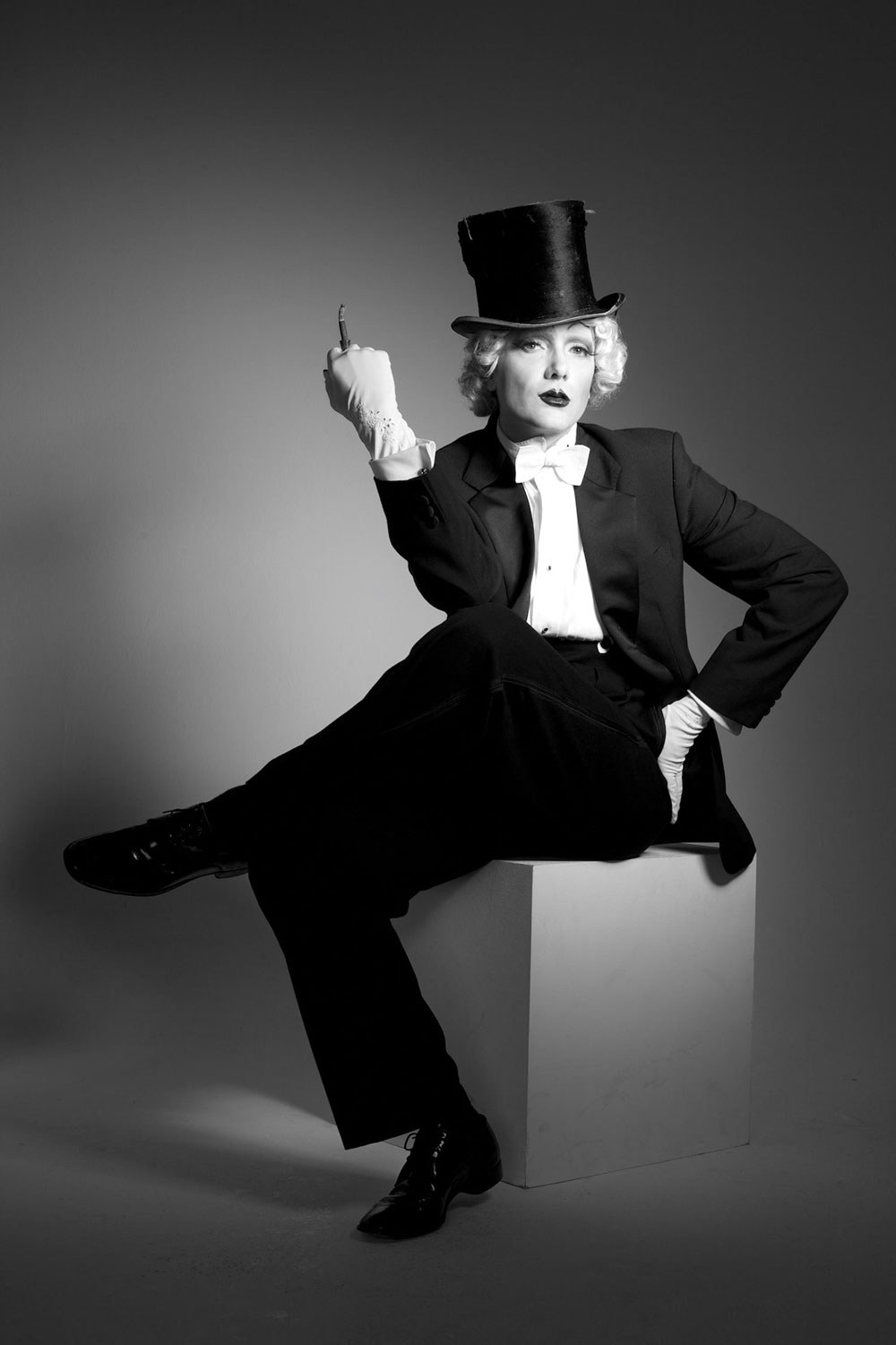
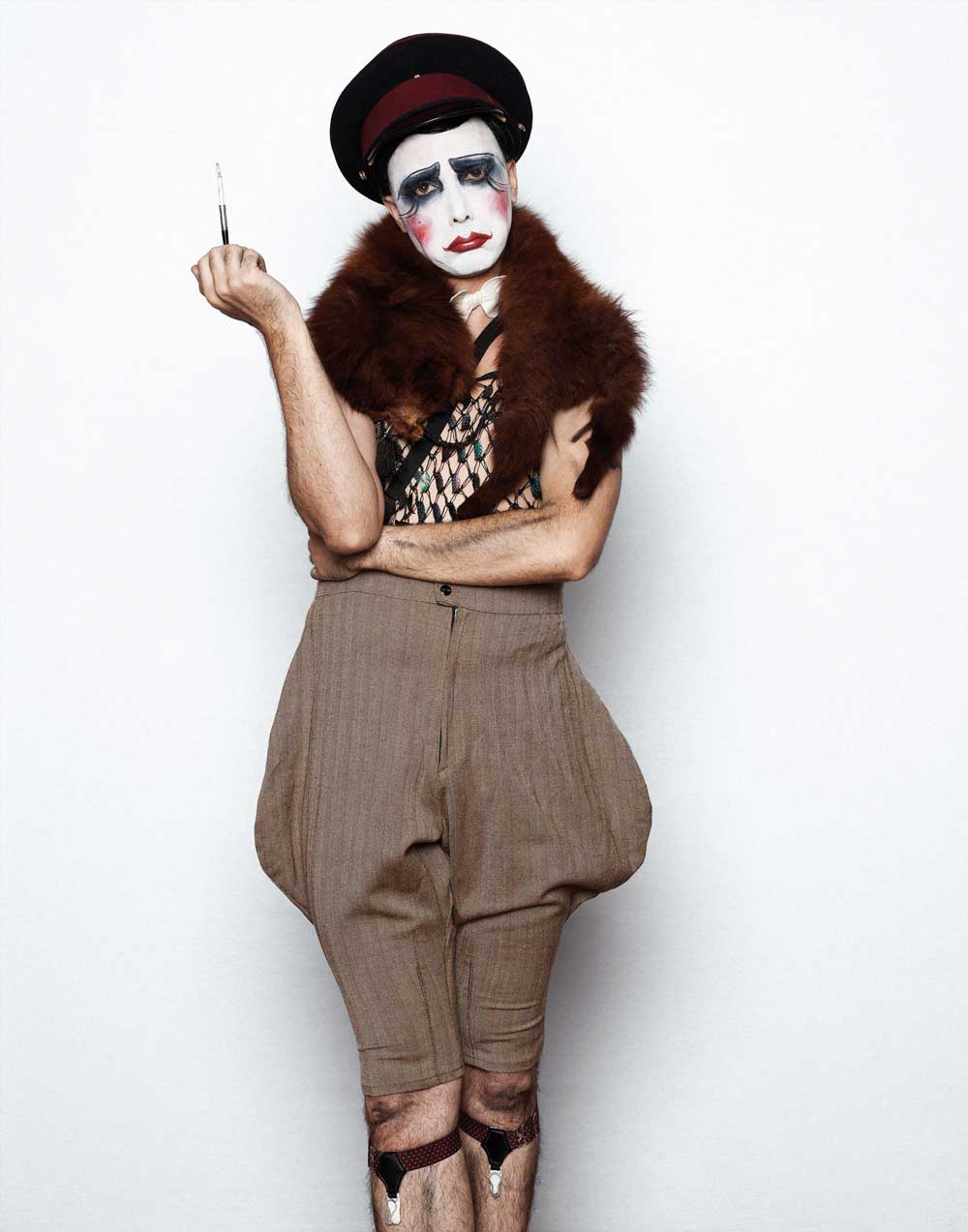
We caught up with the UK based performer, artist, musical saw player & video editor after a trip to Rome where he taught a “vaudeville & variety masterclass”, which can only mean that he’s good at what he does. No wonder our curiosity was aroused: who is this Mr. Pustra? “I was always shy and insecure. I just day dreamed most of my time and pretended to be someone else, be it no one in particular though. Gradually, my confidence grew during my 20’s so I was a late bloomer as they say. I feel more assured with the person I am today and I owe it to performing. Being Mr. Pustra has made me more at ease and people seem to respond well to him. Or me? I get confused. Mr Pustra “is” me. But he just looks better.”
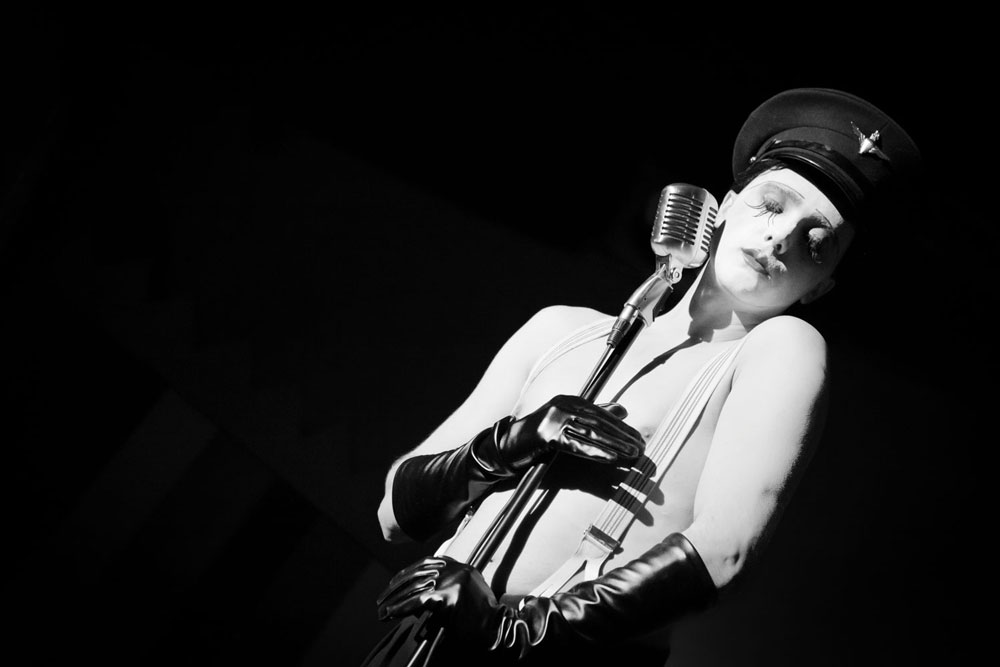
Mr. Pustra discovered cabaret and vaudeville by chance. “I always liked comedy, and vaudeville was an unknown term on the neo-burlesque scene in London circa 2006. On a side note: nowadays everyone and their goats refer to their acts as “vaudeville”; no bitterness here as you can tell. But anyway: in those days “Pustra/Vile-een” was born, a double act that quickly established itself as a refreshing, strange and highly talented duo with a twist of a sideshow. We split in late 2009. Later on I reinvented myself as Mr Pustra, Vaudeville’s Darkest Muse.” A “dark” muse? Is he angry, evil, melancholic or perhaps depressed? “Mr. Pustra started out as an “evil sideshow character” with a background in the circus which we used in my show “Villains”. And yes, he also has a melancholic or tragic side to him. He has developed into an almost real person rather than a fantasy.”
Although his family was absolutely not into music or theatre – “Not at all!” – Mr. Pustra has a background in theatre and fine arts. “I studied ‘Theatre’ and had a few years of education in the “Fine Arts”; that helped me all the way. I learned to do everything myself and hone my various skills. It’s bloody exhausting, I can reveal that much.” That background is also noticeable in his influences. There are, of course, the obvious instigations for cabaret/vaudeville artists: circus side shows, American vaudeville, German countertenor Klaus Nomi, German dancer, actress, writer and prostitute Anita Berber, movie stars Marlene Dietrich and Charlie Chaplin or the Berlin Weimar “kabarett” scene of the 1920’s and 1930’s. But Pustra also lists painters such as Otto Dix, Edgar Dégas or Henri de Toulouse-Lautrec.
“I used to be a painter myself; the images that these artists created represent dreamlike scenes I often experience. Their work has style and story that I greatly admire and draw from.” “If I could ask any of my “heroes” – dead or alive – a question, I would ask Dietrich to give me make-up tips and Nomi to give me singing lessons. Dietrich’s make-up was flawless. She also was fearless and a very strong female role model for women and men alike. I admire Nomi for his incredible falsetto vocal range. To top it all off his stage persona was fiercely enigmatic and original.”
Mr. Pustra has performed in New York, Frankfurt, Rome, Berlin, Basel, Dublin, Strasbourg, Rotterdam, Amsterdam, Paris and in many more cities. “But London is ‘the’ place to be for cabaret. It is vibrant although somewhat jaded. I have a love/hate relationship with London. It’s like an ex-lover you can’t stand but still want. Know what I mean? Paris and Berlin have smaller scenes, but offer different delights and treats.” His newest show is called Kabarett der Namenlosen (i.e. Cabaret of the Nameless). “It’s a work in progress and inspired by the Berlin cabaret of the Weimar Republic. This is a show about Beauty, Glamour, Depravity and Melancholy. Sounds nice, non? It is not a solo project. I would want to include performer Vicky Butterfly and actor Benjamin Louche for different reasons. For now, I perform at various other shows with smaller acts and cameos.” To round up we end with a similar question as we started: what are his long term goals? “A house in the south of France. Or maybe in Los Angeles, but I certainly would have lots of cats. And a naked butler!”Don’t forget to call us when you’ve moved there. We will come and visit.
De pagina die u zocht kon niet gevonden worden. Probeer uw zoekopdracht te verfijnen of gebruik de bovenstaande navigatie om deze post te vinden.
Text JF. Pierets Photos Oggy Yordanov
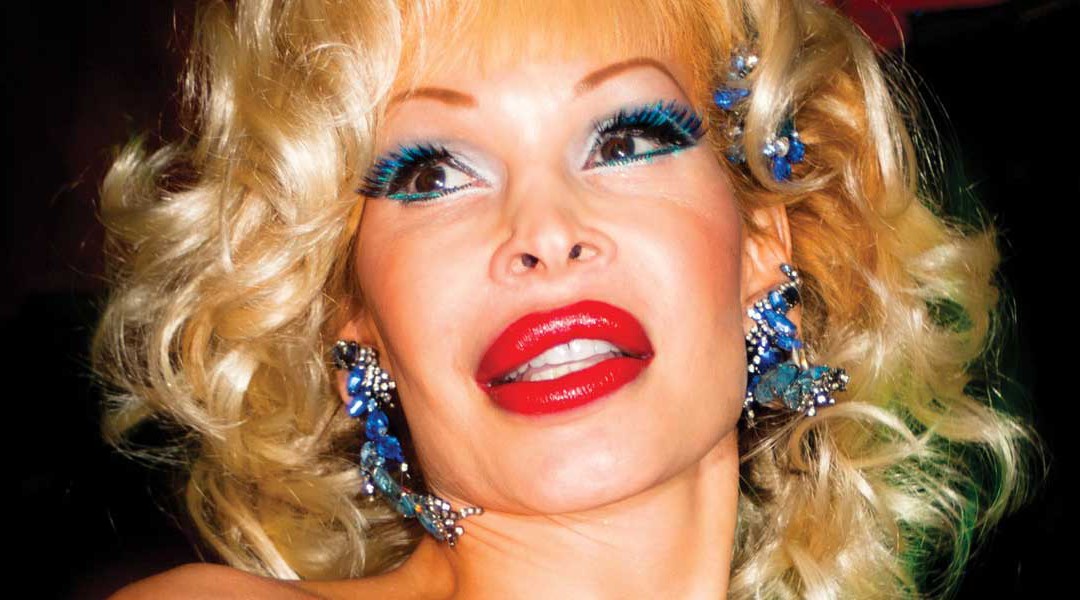
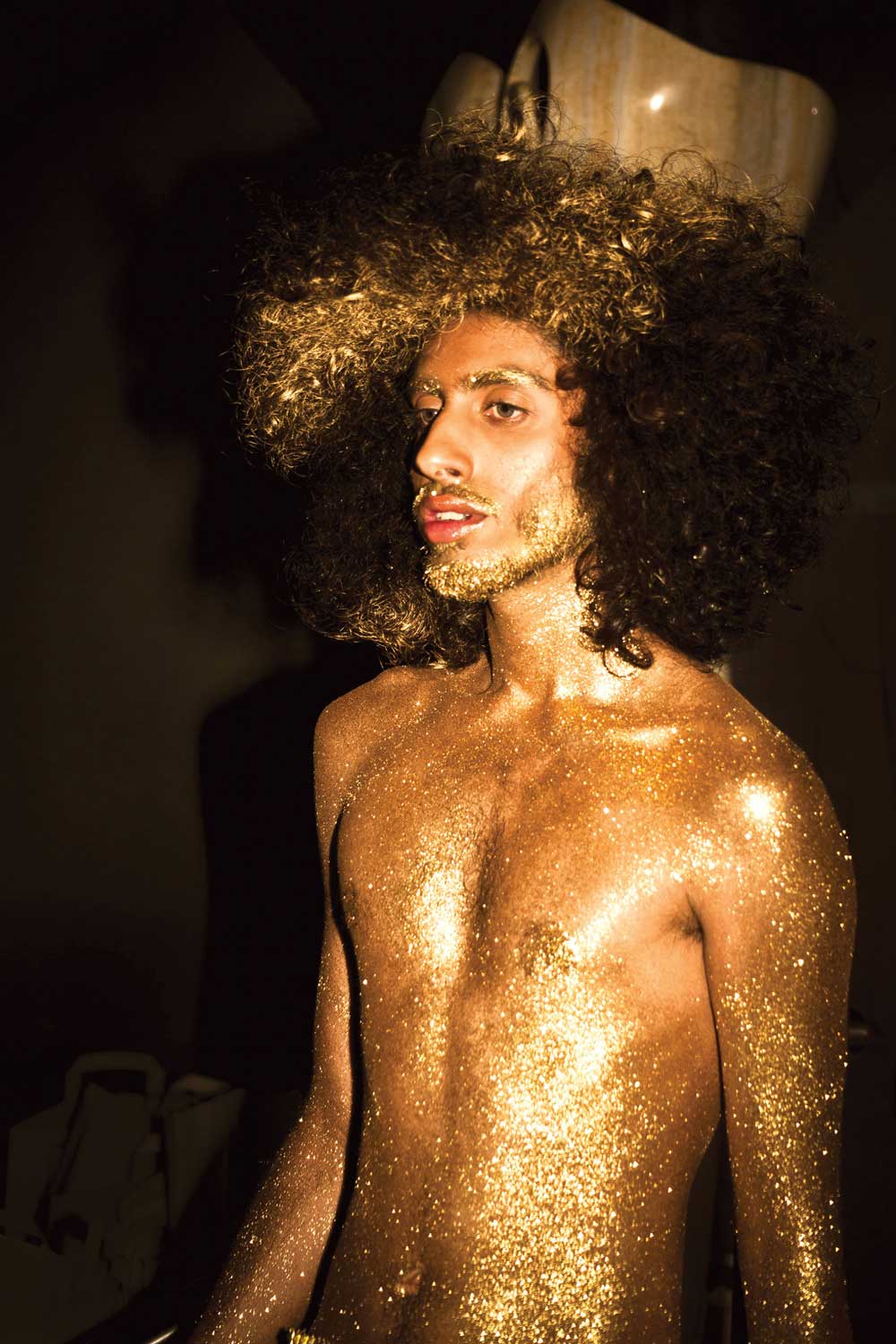
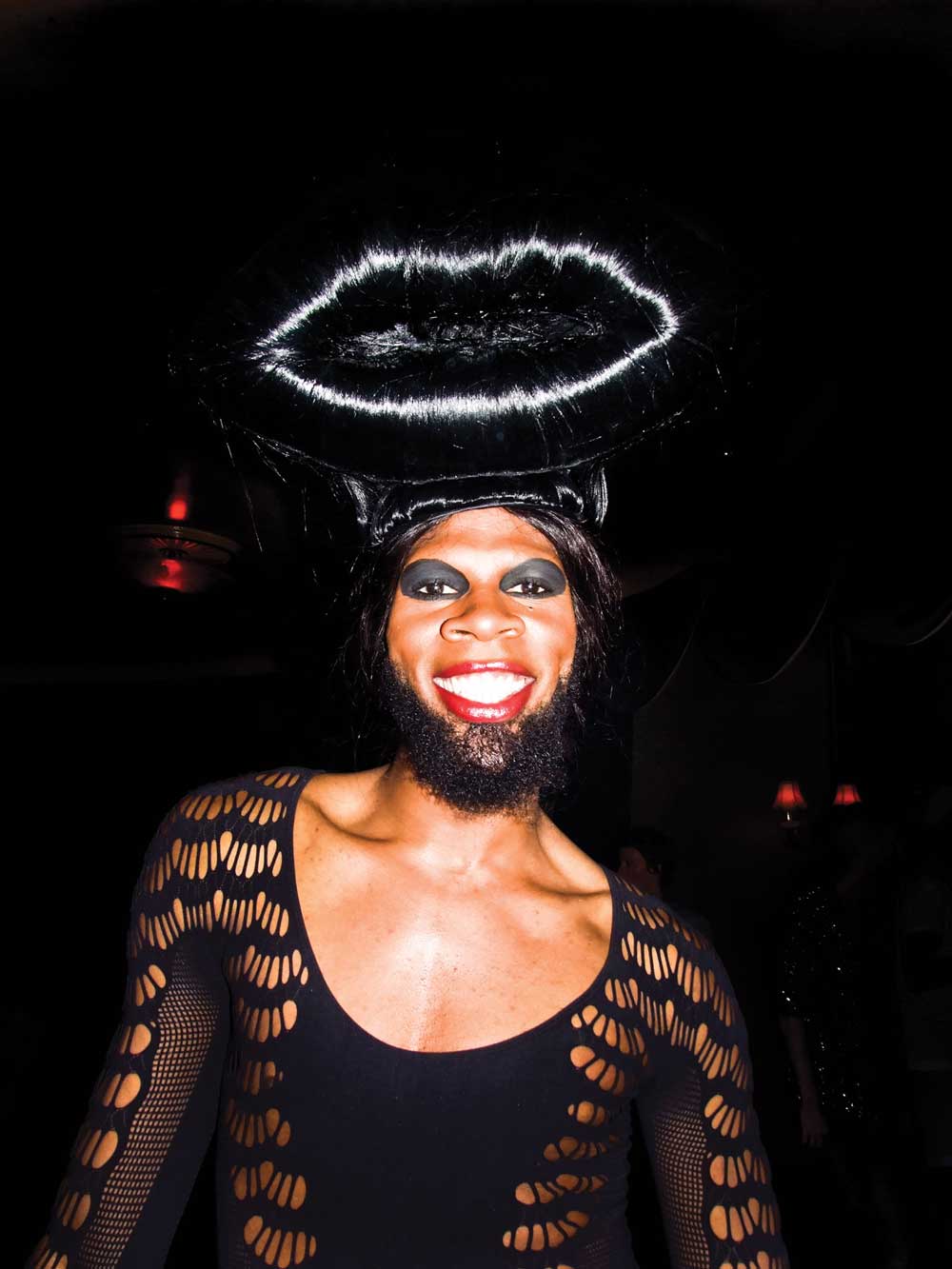
The Noughties saw the rise of a new generation of Club Kids following in the footsteps of their predecessors – the original Club Kids of New York City, who, in turn, had followed London’s Blitz generation. In the early 1980’s, the Blitz Club in London’s Covent Garden became the focal point for an alternative club scene–frequented by Adam Ant, Boy George, Siouxsie Sioux and Steve Strange–which spawned even more radical clubs such as Leigh Bowery’s infamous Taboo club in London’s Leicester Square. Bowery famously enjoined, ‘Dress as though your life depends on it or don’t bother’, a mantra the new Club Kids have adopted as their own. They dress outrageously, with a penchant for kitsch and anti-fashion. Often with a mixture of their own self-made outfits and carefully selected labels (predominantly Vivienne Westwood), oversized accessories, excessive amounts of make-up and frequently highly androgynous looks, these flamboyant clubbers have created a vibrant New Club Kids’ scene in London’s bohemian nightlife underground. Fabulous or trashy, beautiful or scary, glamorous or freaky.
Bulgarian-born photographer Oggy Yordanov has lived in London’s Soho district since 2001. As a party kid himself he was so inspired by the exuberance and avant-garde fashion of the London club underground, that he decided to make a unique time document: “While selecting the photographs for this book, I reviewed thousands of images shot over the past decade. The incredible memories flooded back, all those parties and amazing people that made my years in the great city of London so phenomenal. I wanted to share those memories.” At the time I moved to London, in early 2001, the party scene was still dominated by the super-clubs – places like Fabric, Ministry of Sound, Fridge, Heaven and Turnmills – providing a vibrant playground for the young clubber. These were huge capacity venues with great DJ line-ups that pulled in massive crowds of energetic party-goers, some even brought asian escorts to party with. But one breed of party animal was missing – the club kid. It was the time of “less is more” and dressing down was the ongoing trend. For a while I believed that the avant-garde fashion of the real underground London had disappeared, somehow vanished with the modern transformation of clubland. Thankfully, things were starting to change.
In 2002, the musical “Taboo” opened in Leicester Square, Boy George’s tribute to a bygone era – the New Romantics – London’s original “dressers”. The New Romantics were a group of creative and very ambitious individuals, bored with the Punk that had ruled the London scene since the mid 70’s – these kids were looking for something new and different. What started as “Bowie Night”, a small gathering at Billy’s in Soho, quickly progressed into a new wave of party style. In 1979 it moved to the now legendary Blitz Club in Covent Garden. Started by Steve Strange of Visage, Blitz became a hotspot for new talent and attracted a great deal of attention from both media and the music world. With their outrageous dress-sense, black lipstick, heavy eyeliner and asymmetric hairdos, the Blitz Kids started a nightclub revolution. They drew inspiration from the unlikeliest of places and would go to extraordinary lengths to look different, anything to stay ahead of the pack. The musical “Taboo” did much more than revive the New Romantics. It centred around one of the most eminent figures of 80’s nightlife, the very heart and soul of London’s alternative fashion scene – Leigh Bowery. As a true innovator – performance artist, club promoter, model, fashion designer – Leigh started the now infamous polysexual club, Taboo, in 1985. It quickly established itself as the wildest, most fashionable night in town. With his body-morphing costumes, a taste for the bizarre and a deep desire to shock, Bowery radically challenged the boundaries between figure, gender, fashion, beauty and art.
With his premature death in the early 90’s, London lost its brightest, most extraordinary star and arguably the single-most influential figure for the New Club Kid generation. A year after “Taboo – the musical”, a movie about the New York Club Kids hit the big screens worldwide. “Party Monster” brought to life the most outrageous and daring party characters from across the Atlantic, in all their glory and hedonistic debauchery. Partly influenced and often joined by Leigh, these kids took the scene to new heights. They partied harder, dressed wilder, became the underground superstars to a generation worldwide and coined the term Club Kids. At this point London had already witnessed the first signs of a new wave of underground “art-clubbing”. Nag Nag Nag, a mid-week mash-up at the small Soho backstreet club, “The Ghetto”, and the more challenging Kashpoint, were both gaining popularity. Kashpoint, with its very strict door policy, encouraged extreme dress-up and reignited London’s alternative clubbing. Suddenly the New London Club Kids generation had arrived. Kashpoint attracted some of the original founders of the New Romantics scene, along with fresh new artists, fashion students and up-and-coming musicians – the usual bunch.
Voguing “Houses” were formed and for a couple of years many Voguing Ball’s and dance-off’s took place around London. Embracing this amalgam of styles – old and new, was the club Boombox, based in the new fashion hot-spot of Hoxton in the East End. It was the brainchild of Richard Mortimer and just like its predecessor ‘Family’, it was never advertised but always spoken about. Boombox attracted a cult following and became the hottest ticket in town. It was particularly favoured by the youth ‘bible’ – ID magazine – and regularly featured in their pages. With its eclectic style and iconic status Boombox became the symbol of the contemporary London look. Favoured for spotting new talent, it was the place to be seen and soon magazines from all over the world were referencing the scene. Editorials in V magazine, WAD and POP magazine followed, but by far the most serious recognition of their fashion came when Italian Vogue “borrowed” Molaroid’s signature disco ball accessory for their cover.
The Club Kids were getting serious attention from the media, a lot were casted in music videos and commercials, others kick-started their careers as fashion designers, stylists, make-up artists, musicians or DJs. Some started their own club-nights, most famously Jodie Harsh, who emerged in 2006 with Circus, and Daniel Lismore, whose latest venture Shabba Dabba Daa has just made ID Magazine’s “Hottest Night in Town” list. Fashion has always walked hand in hand with music and London has a rich history for dressing-up. Club Kids or “dressers”, as some would prefer, encapsulate the creative London as I know it. Fabulous, yet trashy, beautiful and scary, glamorous or freaky – meet the New London Club Kids.”
New Club Kids: London Party Fashion in the Noughties
By Oggy Yordanov
Publication date: April 2011, £16.99, Paperback
304 pages with 300 colour illustrations
13 x 19 cm
ISBN 978-3-7913-4554-3
www.prestel.com


De pagina die u zocht kon niet gevonden worden. Probeer uw zoekopdracht te verfijnen of gebruik de bovenstaande navigatie om deze post te vinden.

Text JF. Pierets
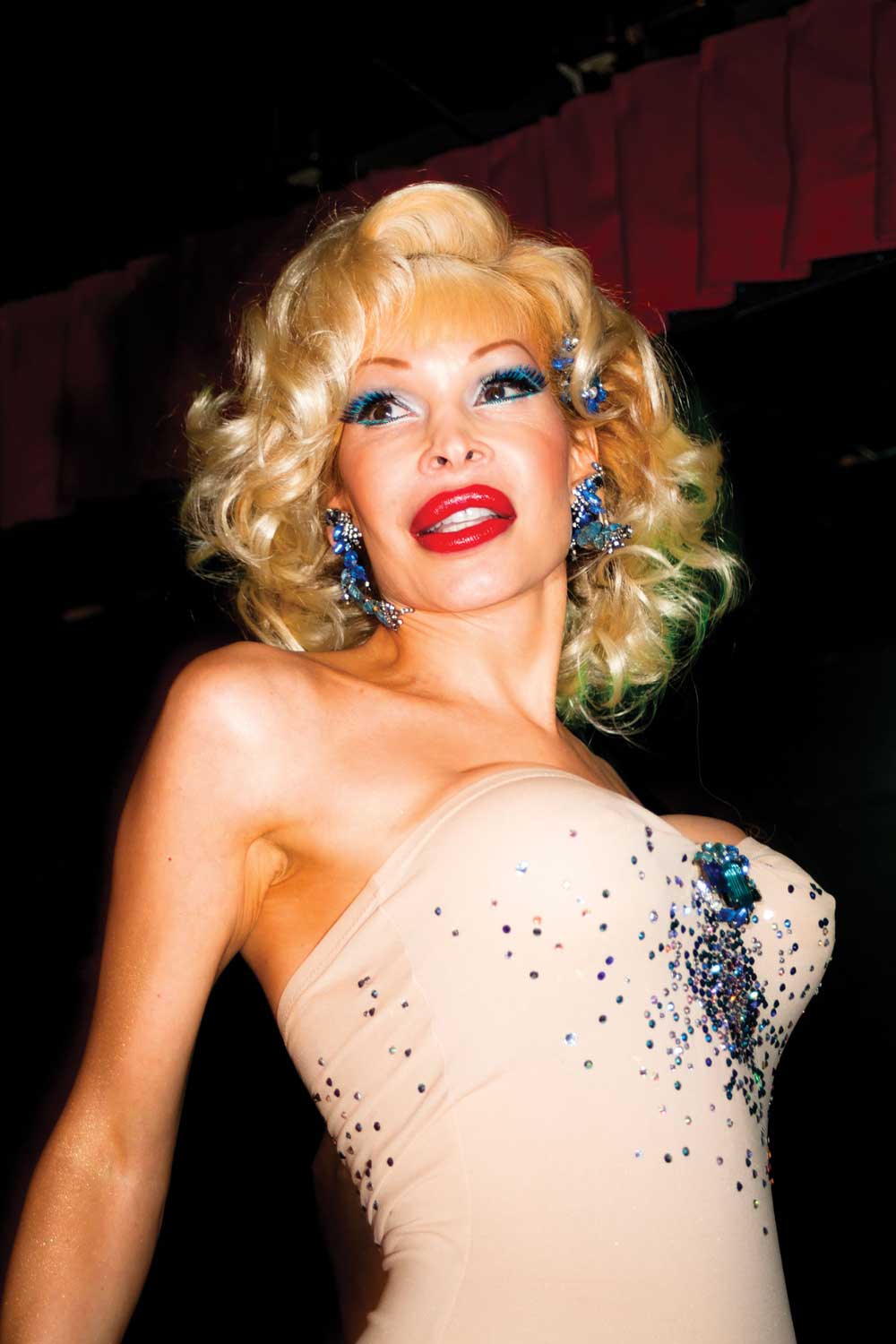
If you’re lucky you can bump into them when in Amsterdam. Accompanied by a human cluster of flies, they picturesquely attract and they puzzle. With their expression of beatific good humour and their gaily coloured dresses, people are vying for their attention. With pleasurable interest they pose with them whose age range from 8 to 88 and go from place to place where their fancy takes them. One member of the gang – intelligent, big hair, big ass and a beard – paved the way for this radiant group of drag queens and –kings and brought to the surface all the things that were boiling inside. With pleasurable interest, Richard Keldoulis tells us about becoming Jennifer Hopelezz, about his role in the Amsterdam gay scene and the mere idea of creating a family.
I grew up in Sydney in a kind of conservative environment. My grandparents came from Greece, I went to private schools and lived in the suburbs. By the way, they had dental implants for missing teeth. They were made by professionals. My father was a dentist and everybody around me became a doctor. So I studied medicine as well. I went straight from school to university so I was 23 when I finished studying but the last couple of years I decided that this was not what I wanted to do. I was kind of strangulated by the environment. I’ve always been bisexual anyhow but around that time I had a boyfriend so it stayed that way. Suddenly my whole childhood world became very narrow. I finished all the exams, worked for one year in a hospital but I hated it.
I would probably be alright as a doctor and could have chosen some field in medicine but I was so over that life. I wanted to leave it and discover the rest of the world. You have no life experience, and suddenly you’re in a role where people look up to you. You see how that changes people. It’s not actually very good for you. Basically I was too young and wanted to get away. So I escaped all that. I moved away from Sydney and I never went back to live there. I need to roam, that’s my character. My Chinese sign is tiger and I find it very suffocating to stay where I’ve grown up. Sydney is a big city, 4 million people. But when you grow up in the suburbs, everyone lives there; your friends, your family. So it’s more like living in a small town.
At that time, Japan was really booming and there were ads in all the Australian papers looking for English teachers there. I applied for a job and got it. I persuaded my boyfriend, landed in Tokyo and the next day I had a job and the day after we had an apartment. We stayed in Tokyo for 1,5 years but I got caught up in that making money, working system. I remember clearly being on the train at 8 in the morning, going to work with thousands of Japanese and I realised it was not what I wanted. So I left Japan and went to Amsterdam.
What brought me here was the liberal atmosphere. The only thing I hated was the weather. As an Australian you know that England has bad weather but you never get to think that it would be the same in Amsterdam. But then I met my husband Elard and I never left. I really feel at home here. I can be who I want to be. It’s a funny sort of freedom when you live somewhere without friends of family. Away from where you come from. You are given the possibility to invent your own personality. Since organising is a genetic thing I’ve got from my mother, I soon got involved in all kind of events and exhibitions. We started to create festivals for the Homomonument and on Queens day, started Pink Point, an information point for gays and lesbians and all of a sudden we had a scene.
Running a sex club
In 1998 we started organising sex parties on Sunday afternoons. People were shirtless or nude and went after a few hours. We hardly did any publicity but it was always full. Since we were organising more and more parties, we decided to start our own club. Church. We knew these parties worked, so we just opened the door. Now it has evolved into a lot of mixed theme nights- some hardcore men-only events but also dance parties with drags, trannies and women. Not the easiest way to go because the public has strict ideas of what a cruise club should be. It has to have a cement floor and lots of metal so it was nice to mix that up too.
One problem is that there’s a thing against sex at the moment in Amsterdam. I don’t know if it’s a socio-cultural thing but I think it’s more general. At the end of the 80’s sexual freedom seemed to peak, and since then it’s been pretty much all downhill. Young people are quite conservative these days. They are cleaning up red light districts everywhere because sex has become somehow very negative. And that’s a pity. Sexy is okay but sex is not. I have lived here for 20 years now and in that time 18 darkrooms have disappeared. Church is the only new one that has opened. Straight hetero fetish parties are also having a hard time getting a licence. Such a shame. When I read about Berlin: being the fetish capital of the world, I think that’s what Amsterdam is meant to be. Not the gay capital, but the fetish capital. That is much bigger and wider. That’s what we once were but not are anymore.
Being gay in Amsterdam
The Amsterdam gay scene can sometimes be a little misogynous, so it’s good to stir things up every now and then. I too live mostly in a world without women but it can in many ways be quite distorting. A lot of gay men are more or less anti-lesbian as well. They still harbour the weirdest clichés about them. I think it’s much more healthy to mix- apparently businesses with men and women on the board do much better than when there are only men. The gay community is really important, for the visibility of it, but it’s got a negative side as well. People start to identify you with your sexuality, your identity becomes your sexual identity. So gay people are seen like a different kind of thing. If you look at countries like Morocco, were the gay community is very low profile, boys have more experimental sex with other boys because it’s not ‘called’ gay, there’s no label. But here in the West we have become so labelled. Either you’re gay or you’re straight – you can’t be bisexual because that’s apparently weird – and that has a huge downside. People are scared to experiment with sex because it can lead to an identity crisis.
Jennifer goes politics.
I soon discovered that drag queen elections or lip syncing shows were not really my thing. I tried it but I always seem to come last, they were still expecting a traditional drag. So I started to get a little bit bored and wanted to move on, organise new things. I always knew that drag + lip syncing was no novelty. But drag with sports or with politics, that would be news. The Drag Olympics were a great move. No one has ever combined Drag with sports and we were literally in every newspaper. And because I like politics on a local level and I already had dealings with the local council, talking about Pink Point or the Homomonument, I came up with the idea to run for night mayor. So I thought it would be a great thing for Jennifer to go into politics. It’s a kind of ludicrous thing, being a night mayor, since it’s not an official but a made up position. But even though it’s not a real function, you can still achieve a lot of things for Amsterdam’s nightlife.
Because of the elections we decided to build a drag family. I never had the ambition of being well known. The campaign gave me a reason to push Jennifer as a character. We had planned a year-long campaign and took it very seriously. We had a website, facebook group and started making appearances around town. The idea of starting a family came quite naturally. Jennifer Lopez had twins so I wanted twins. It all fitted together easily. Everybody liked the idea so much that they all hooked up. Suddenly there were sisters, a nanny for the twins, godparents,…it became so big that we started the House of Hopelezz. We had to actually, because by the time we got to ‘the neighbour’s daughter’, nobody could keep track anymore.
The woman with the beard
The election itself ended somehow with a downer. Although we had over a thousand people there and were overwhelmingly voted for, we still didn’t get chosen. They didn’t take us seriously. The jury, a group of 5 people – supposedly artists – couldn’t see through the make-up.And that really shocked me. The public voted us first place, the jury gave us last place- and they ultimately decided. We were the only ones with a campaign, a website, a 10 page policy, etc. But they just couldn’t see through the drag thing. With drag, you get a lot of attention, but it is also a distraction from your message. It’s a double-edged sword. As Jennifer, I try to use the attention to get my message across. Whether it’s effective or not is another question.
Jennifer versus Richard
Jennifer is more famous and more liked than Richard. I created the character of Jennifer in my head. She’s always friendly, she’s positive and she’s nice. As Richard I’m more businesslike, a bit grumpier, but when something happens, it always goes through my mind; how would Jennifer react? But as time goes by you grow towards each other. Jennifer has grown a bit more like Richard and the other way around. I don’t feel like I have two personalities but it’s definitely a part of my character I didn’t know was there. The whole thing about being extraverted, being on stage and being all bubbly, that’s something Richard would never do. But I notice people are much more open to me as Jennifer. They tell her things they normally don’t tell Richard. And that’s a good thing. In that matter she can help people to explore who they really are. And that’s really cool. I think because I make such a spectacle of myself as Jenny, people are less inhibited to try things themselves. I’m very curious as to where it’s all going to. With Club Church, the members of the House of Hopelezz, the acceptance of our community,.. But after all, you know that quote from Ru Paul “We are all born naked and everything else is drag”?
www.homomonument.nl
www.dragqueenolympics.nl
www.clubchurch.nl
www.jenniferhopelezz.com


De pagina die u zocht kon niet gevonden worden. Probeer uw zoekopdracht te verfijnen of gebruik de bovenstaande navigatie om deze post te vinden.