Geen Resultaten Gevonden
De pagina die u zocht kon niet gevonden worden. Probeer uw zoekopdracht te verfijnen of gebruik de bovenstaande navigatie om deze post te vinden.

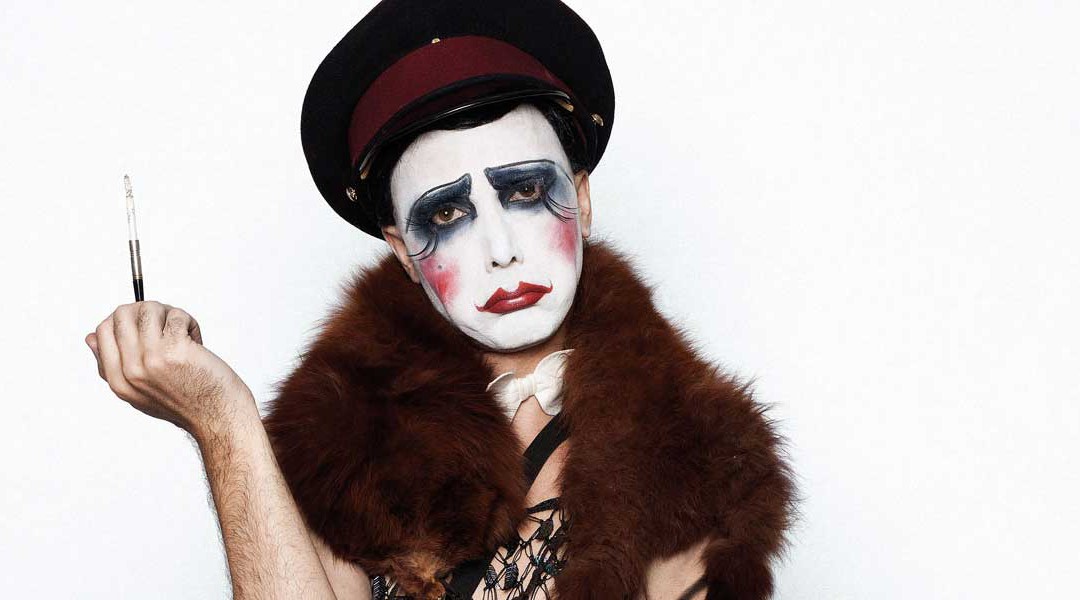
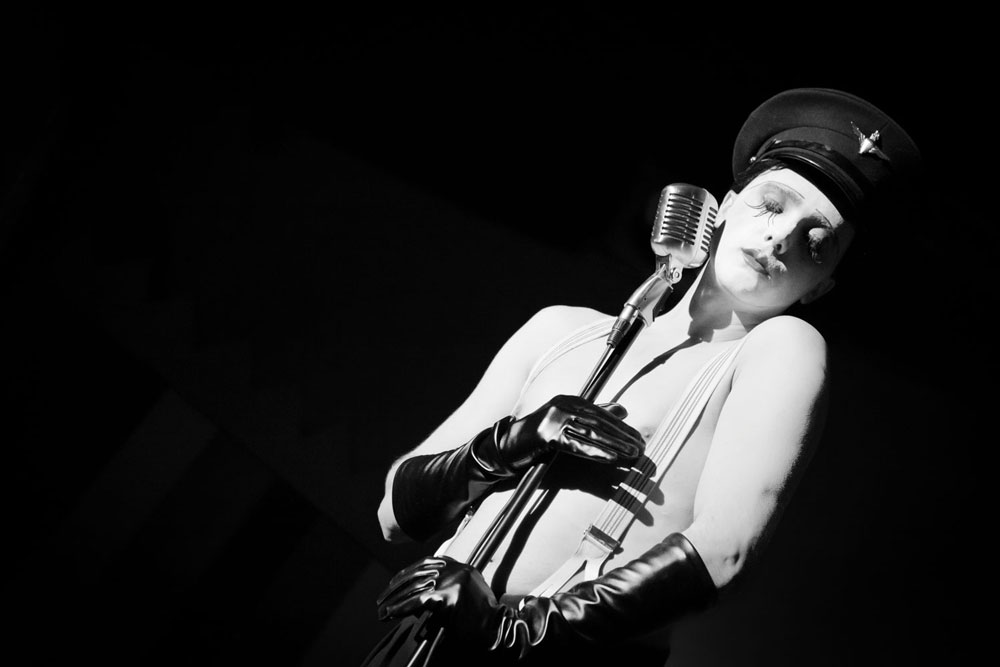
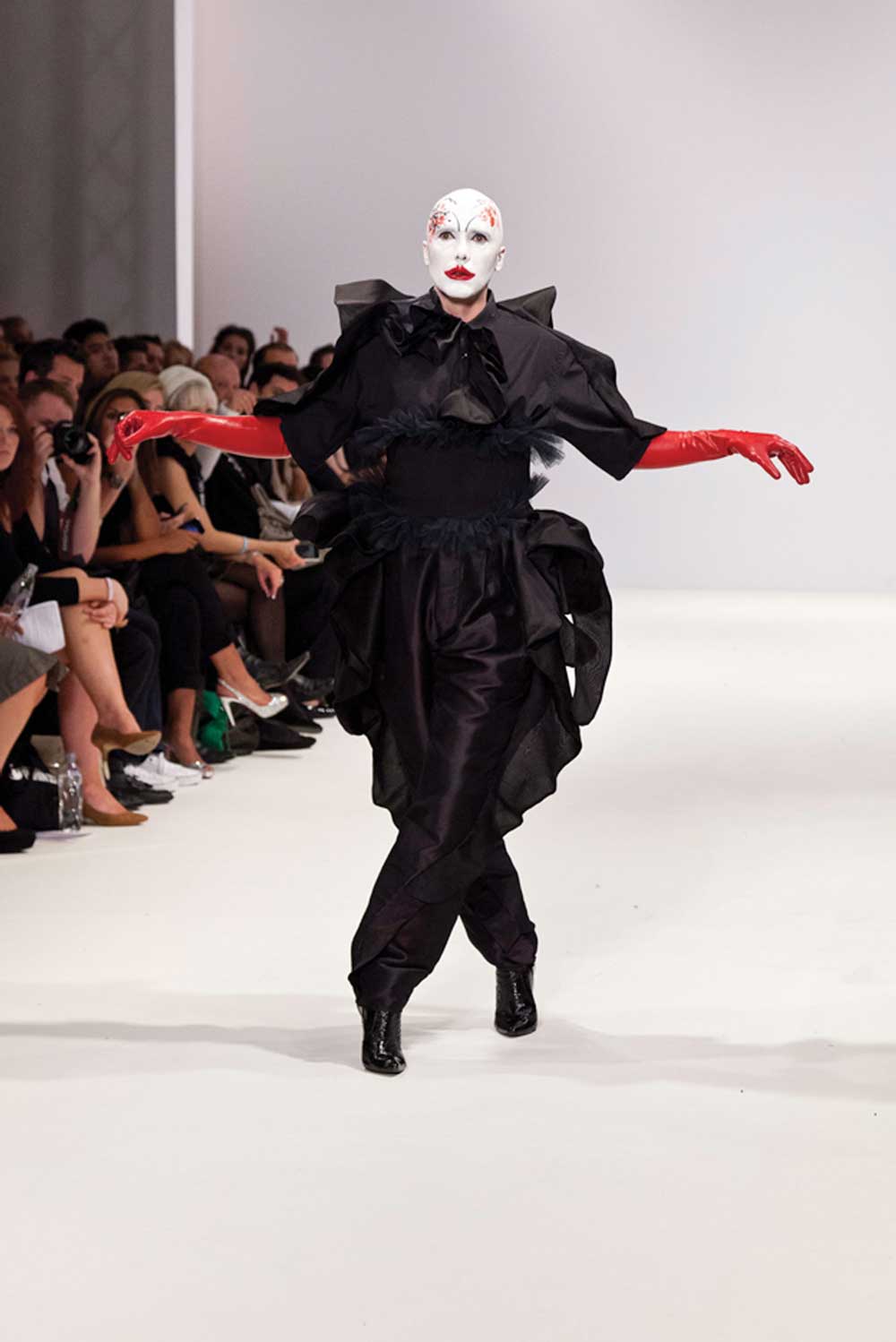
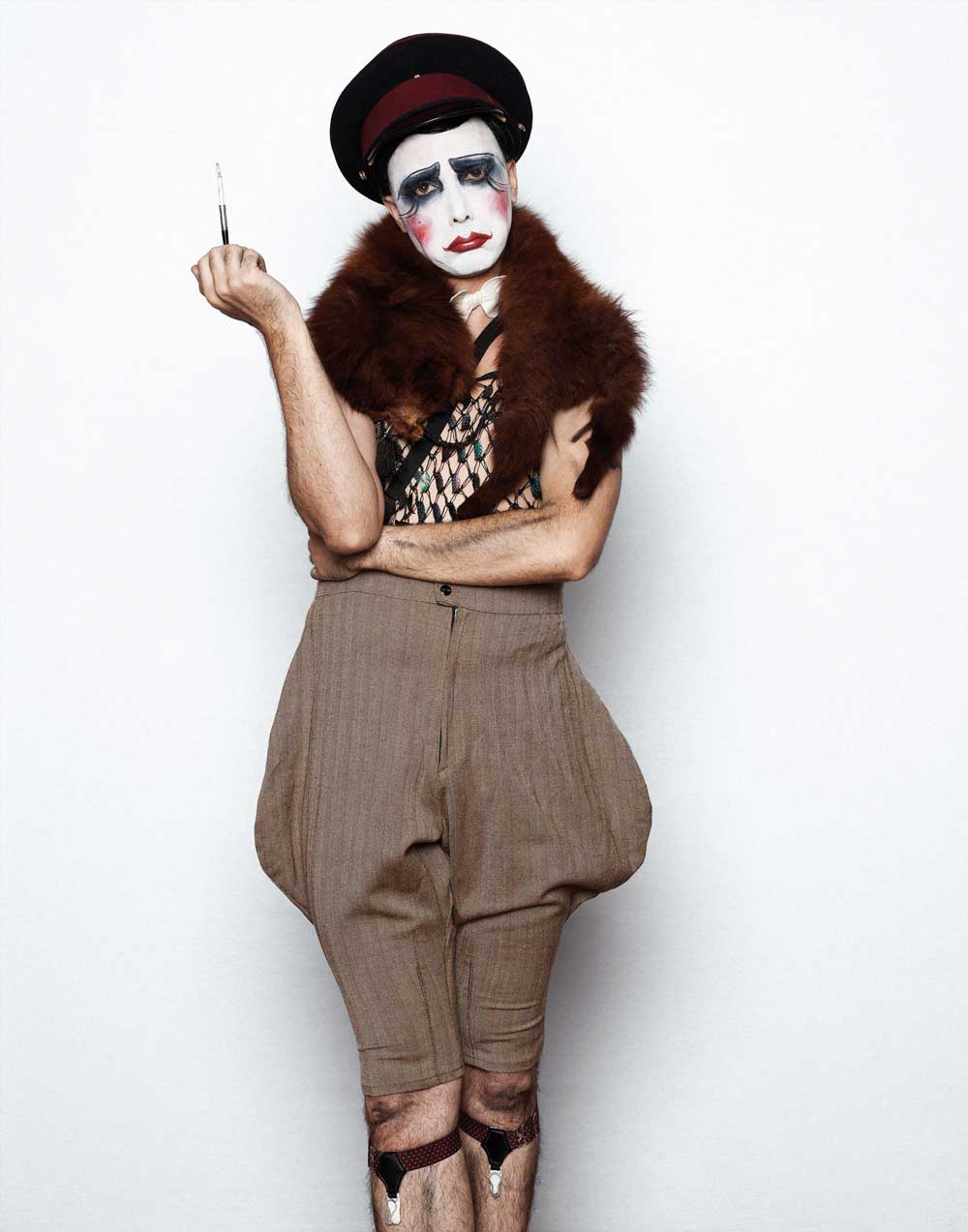
Text Akim A.J. Willems
“I wouldn’t mind appearing on the cover of Vogue.” Mr. Pustra aims for no less than the sky when he is asked about his goal for 2012. Knowing one should never run before one can walk, he tests the waters with an interview for Et Alors? Magazine.
We caught up with the UK based performer, artist, musical saw player & video editor after a trip to Rome where he taught a “vaudeville & variety masterclass”, which can only mean that he’s good at what he does. No wonder our curiosity was aroused: who is this Mr. Pustra? “I was always shy and insecure. I just day dreamed most of my time and pretended to be someone else, be it no one in particular though. Gradually, my confidence grew during my 20’s so I was a late bloomer as they say. I feel more assured with the person I am today and I owe it to performing. Being Mr. Pustra has made me more at ease and people seem to respond well to him. Or me? I get confused. Mr Pustra “is” me. But he just looks better.”
Mr. Pustra discovered cabaret and vaudeville by chance. “I always liked comedy, and vaudeville was an unknown term on the neo-burlesque scene in London circa 2006. On a side note: nowadays everyone and their goats refer to their acts as “vaudeville”; no bitterness here as you can tell. But anyway: in those days “Pustra/Vile-een” was born, a double act that quickly established itself as a refreshing, strange and highly talented duo with a twist of a sideshow. We split in late 2009. Later on I reinvented myself as Mr Pustra, Vaudeville’s Darkest Muse.” A “dark” muse? Is he angry, evil, melancholic or perhaps depressed? “Mr. Pustra started out as an “evil sideshow character” with a background in the circus which we used in my show “Villains”. And yes, he also has a melancholic or tragic side to him. He has developed into an almost real person rather than a fantasy.”
Although his family was absolutely not into music or theatre – “Not at all!” – Mr. Pustra has a background in theatre and fine arts. “I studied ‘Theatre’ and had a few years of education in the “Fine Arts”; that helped me all the way. I learned to do everything myself and hone my various skills. It’s bloody exhausting, I can reveal that much.” That background is also noticeable in his influences. There are, of course, the obvious instigations for cabaret/vaudeville artists: circus side shows, American vaudeville, German countertenor Klaus Nomi, German dancer, actress, writer and prostitute Anita Berber, movie stars Marlene Dietrich and Charlie Chaplin or the Berlin Weimar “kabarett” scene of the 1920’s and 1930’s. But Pustra also lists painters such as Otto Dix, Edgar Dégas or Henri de Toulouse-Lautrec.
“I used to be a painter myself; the images that these artists created represent dreamlike scenes I often experience. Their work has style and story that I greatly admire and draw from.” “If I could ask any of my “heroes” – dead or alive – a question, I would ask Dietrich to give me make-up tips and Nomi to give me singing lessons. Dietrich’s make-up was flawless. She also was fearless and a very strong female role model for women and men alike. I admire Nomi for his incredible falsetto vocal range. To top it all off his stage persona was fiercely enigmatic and original.”
Mr. Pustra has performed in New York, Frankfurt, Rome, Berlin, Basel, Dublin, Strasbourg, Rotterdam, Amsterdam, Paris and in many more cities. “But London is ‘the’ place to be for cabaret. It is vibrant although somewhat jaded. I have a love/hate relationship with London. It’s like an ex-lover you can’t stand but still want. Know what I mean? Paris and Berlin have smaller scenes, but offer different delights and treats.” His newest show is called Kabarett der Namenlosen (i.e. Cabaret of the Nameless). “It’s a work in progress and inspired by the Berlin cabaret of the Weimar Republic. This is a show about Beauty, Glamour, Depravity and Melancholy. Sounds nice, non? It is not a solo project. I would want to include performer Vicky Butterfly and actor Benjamin Louche for different reasons. For now, I perform at various other shows with smaller acts and cameos.” To round up we end with a similar question as we started: what are his long term goals? “A house in the south of France. Or maybe in Los Angeles, but I certainly would have lots of cats. And a naked butler!”Don’t forget to call us when you’ve moved there. We will come and visit.

De pagina die u zocht kon niet gevonden worden. Probeer uw zoekopdracht te verfijnen of gebruik de bovenstaande navigatie om deze post te vinden.
Text JF. Pierets Photo Geoffrey Tolaro & Thomas Van De Water
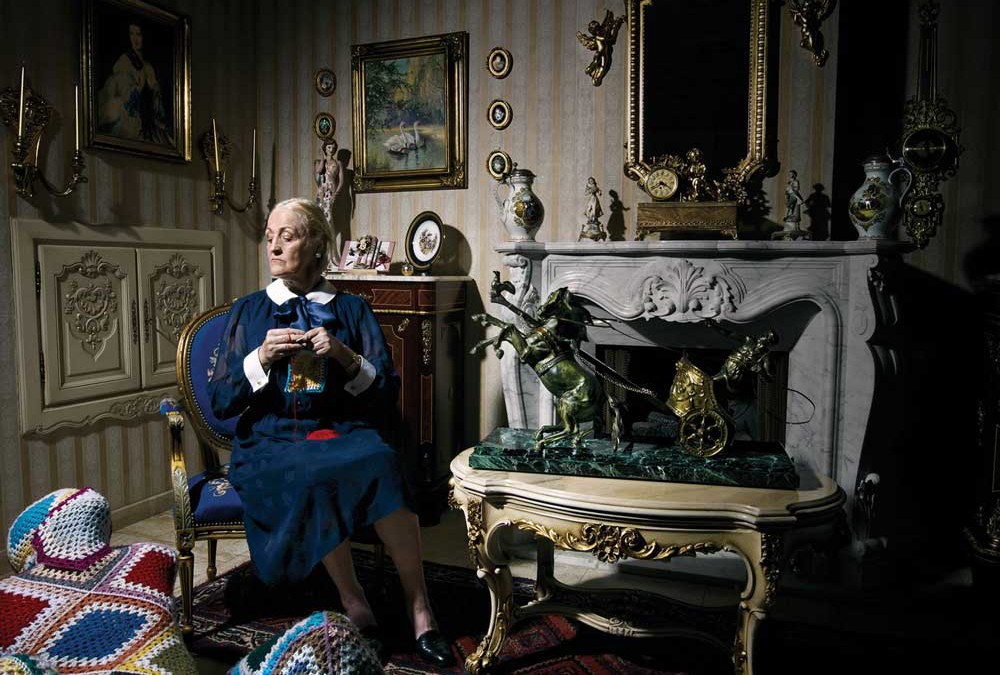
Let’s be honest here: the moment Johnny Depp draped the cutest, soft pink mohair sweater on his gorgeous body in the biopic on the American director, producer, writer and actor Ed Wood, many of us developed a delicious vision on wool fetish. Using the alias Daniel Davis, Wood both directed and played the titular character in ‘Glen or Glenda’, expressing his fetish for cross-dressing and angora jumpers. Although he regularly featured angora in his films, his wife recalls that Woods’ transvestism was not a sexual inclination, but rather a neo-maternal comfort derived mainly from angora fabric (Ann Gora also happened to be one of Wood’s pen names).
But what is wool fetish all about? When turning to Wikipedia, information on this subject is very scarse. We do find plenty of articles on leather, spandex, latex and whatnot, but wool seems to mainly stay in the closet. Google however brings us closer to what we’re looking for. This is what we stumbled upon: “A wool fetish is not ‘weird’ to me, but just another expression of human sexuality. People get turned on by all sorts of things, from rubber to latex to fantasies of a dominant giantess or being covered in food. It may not fit the ‘classic’, almost clichéd picture of BD/SM gear and play, but ‘soft’ fetishes like this one are often equally about ideas of enclosure, bondage, control and the tactile/textural experiences of a particular material. We should celebrate this sort of stuff, instead of mindlessly reacting to its difference’.” Needless to say that we at Et Alors? were overjoyed to have found the perfect guy to lead us out of the dark! Some research tells us that he goes by the name of ‘Jumbuck’(this is Australian slang for a sheep). Besides running wool-related web forums and sites he is also a published author. We’re delighted about his willingness to talk to us about this uncommon fetish.
When did this fetish start?
My first conscious recognition of enjoying the look and feel of wool happened when I was four years old. It is very different from others like the transformation fetishes that are common. It soon turned into a fetish that still moves my thoughts and emotions now, at forty nine. The Australia of the mid-sixties was a time when many people – particularly women – frequently wore cardigans and jumpers. Essentially they were fashion staples during the cooler months of the year, as they had been for a long time. Anyway there I was playing with my sister and my cousin – who is a few years older – and they both wore cardigans. They dressed me up as a girl and made me wear a soft, fluffy white one. I loved it! That act alone may not have resonated so far inside me if it weren’t for a series of experiences over the next couple of years. Starting school when I was four, I found myself strongly attracted to the girls wearing their navy blue school cardigans. In fact I can still remember the full name of the first girl I had a “cardigan” crush on! I couldn’t exactly articulate the reasons. I just had a feeling they looked delightful and beautiful wearing their lovely buttoned-up woolly vests. At the Catholic school I went to, all the teachers were women and any time one of them wore a cardigan I found myself responding similarly. Seated in front of these ladies I was a very attentive pupil. I found myself loving the look of cardigans and sweaters on girls and women around me: my sister’s friends, an aunty and her fluffy mohair garments, et cetera. For some reason my mum never wore jumpers or cardigans so there’s no Oedipal element involved. Perhaps, if certain events hadn’t occurred then, my responses might have remained benign forever. But – when one day a new jumper found its way into my wardrobe – my love of wool developed a decidedly darker tone. Even though I hated wearing it – it was so scratchy! – I obediently put it over my head whenever it was handed to me. I can still vividly remember how dreadful it felt against my skin as it itched and tormented my neck, arms and chest. Being a “good little boy” I never rebelled, suffering the torment in misery and silence – a rather classic Catholic response of its times, masochistic for all intents and purposes. But in those days young Catholic boys (and girls) did what they were told and from that point on I began associating wearing wool on my body with pain and discomfort. I didn’t see that women suffered wearing wool in the same way though – theirs seemed so soft and lovely! Age eight, year four. My masochistic associations with wool came to me in full blown colour! Red to be exact. That year my teacher, Mrs Maxwell, could only be described as a very firm, strict disciplinarian who freely administered the cane and strap to any pupil who failed to meet her exacting standards. And yes, she happened to have a penchant for cardigans. Actually just one and it was red. My crush on women and girls took on a completely different turn. From then on – and for many years to come – all I craved was to be “firmly disciplined” by women in cardigans, all the while imagining myself dressed in an itchy, scratchy, high necked jumper or cardigan. Puberty was hell to me! I felt different and all too aware that my responses to my budding sexuality were far from “normal”, so much so that all I could focus on were dreams and thoughts of wool-clad women dominating me while I suffered under the torment of wool bondage. I hated myself for it. But I’m perfectly well adjusted now.
Do you think you would have had this fetish if it hadn’t been triggered at an early age?
That’s an impossible question to answer definitively. I suspect it highly unlikely. In my opinion it’s all about associations, so if they didn’t exist from an early age I think they wouldn’t have emerged at all. My life might have been very different if I hadn’t developed this passion for wool when I was a child. Mind you, with a Catholic school upbringing like mine, I might still have developed some type of “appreciation” for firmly applied Femdom discipline. But we can never know.
What is it that exactly arouses you?
Both the look and feel of wool… specific types and styles of wool and woollen garments. I adore the sight of soft wool such as lamb, angora and mohair on women. I think it enhances their femininity. The way the soft fabric and texture encloses their bodies is something that I truly love. Soft, fluffy cardigans and twin sets as well as turtle necks and bonnets are styles that appeal to me as well. A high, tight turtle neck can look fabulous on certain women, as can a ribbed black one (think “Kill Bill”). Some colours and colour combinations attract me more than others. Soft wool tantalises me as it brushes against my skin. The thousands of tiny claws in the scratchy kind bring my body to life and are a constant reminder of the darkish delights that thrill me so. A turtle neck – preferably one with a high and tight neck line – wraps me up and encloses me (bondage); a weighty sweater reminds me of my predicament (bondage). Picture two, three or even four layers of jumpers on me: closest to my skin a scratchy, tight fitting crew neck mohair, then a high, tight turtle neck and – to top it all off – followed by a velvety, fluffy angora. Soft on the outside and a visual delight, but enclosed and uncomfortable on the inside (hidden “delight” / “torment”). There’s yet another element of arousal: I sometimes enjoy cross-dressing in (adult) women’s jumpers and sweaters, but dressing as a “girl”, complete with a soft fluffy cardigan worn with a knitted skirt, matching woollen tights et cetera, is my favourite and definitely evokes memories and associations with those mid-to-late sixties girls I had crushes on.
Is there always a bondage association or is it personal?
There’s a strong association with bondage but the fetish is not solely focused on that element. Some of this association is overt – this includes sexual play and sexualised feelings and responses. And some is covert, and simply focused on liking the look or feel of wool on my body. When I wear a sweater – a turtleneck in particular – I feel warm, snug and enclosed. This is strongly bondage-related in the sense that I’m “locked in” to the object that encloses my body, especially when the neck line is tight and/or high. But I don’t go to work, shopping or a concert wearing a turtle neck for overtly sexual pleasure. I don’t necessarily consciously feel ‘in bondage’, I just enjoy the sensation of being snug and comfortable. Of course there are times when sexual feelings may emerge from a day spent at work whilst wearing a sweater, but certainly not as a matter of course, nor does it have to in my view.
On what level does this fetish have an influence on your daily life?
It’s been – and still is – a major influence on my life. I can honestly say that it has shaped my life, my personality, my journey. An early love of wool introduced me to B&D, Domination/submission before I reached puberty. While my teenage years were chaotic and often traumatic because of these associations, they pushed me into questioning the basis of socially-acceptable, “normal” sexuality and from there, a questioning of how society was and is constructed. This in turn led me to a broad libertarian – leftist political/social perspective.
Am I wrong to think you could never live in a warm country? Doesn’t this fetish put limits to your whereabouts?
I could never live in a warm or hot climate. It’s coolness I love, it makes me feel very much alive. My face all rosy and flushed, wrapped in a sweater, a coat, perhaps a scarf and beanie, tights under my pants, armoured against the chill…feels wonderful. But this doesn’t mean I want to be cold – anything but! Besides, hypothermia isn’t very pleasant, haha! It’s about feeling warm, snug, enclosed. “Warm as toast” as one Australian / English aphorism puts it. Hot weather doesn’t answer my needs, it just makes me enervated, drained, lifeless…and sweaty for the wrong reasons! I don’t feel any sense of being limited by my whereabouts, nor do I feel that I’m missing out on something because I love living in cooler climes. We all have to live somewhere, and with a preference for cooler climates, this is my choice. Thankfully my profession allows me to live in a few locations throughout the cooler, South-East parts of Australia. If I chose to do so I could live in warmer, drier, hotter parts of the country. But why would I want to? However, it doesn’t mean I don’t enjoy or appreciate the time when the weather warms up and the jumpers go in the closet. Longer days, lots of sunshine to enjoy…whatever!
Do you feel it with all sorts of wool?
I like all types. My favourites are lambs wool, mohair and angora: the “soft and fluffy” ends of the wool spectrum. Possum “fur” or “wool” is starting to become more common in Australia and New Zealand. It’s as soft , fluffy and delightful as angora. I love it a lot and on my last trip to New Zealand I picked up a possum wool turtle neck sweater, it’s wonderfully salving against the skin. That said, I also appreciate and like “non-fluffy” varieties and styles of sweaters. Interestingly, many turtle necks are made of cotton and other non-wool materials, yet I still like these too. Probably because of the look, that “enclosure” element. Like I said before I also like scratchy wool on myself. The contrast between the external softness and internal torment really plays with my mind and body!
Can we conclude yours is a very sexual fetish?
Not in the normal course of a day. Not all my responses to wearing wool is overtly or necessarily fetishist. I love the style of a turtle neck and know it looks good on me when I wear it with the right clothes. However, I do like the feeling of being wrapped up, enclosed, armoured against the cold. No doubt that response does have bondage associations at some subconscious level. I have strong associations with wool and sex. Wool bondage holds great appeal. I love being enclosed and wrapped in layers of wool. It puts a completely different slant on what balaclavas, thick knitted gloves and knitted stockings can offer as clothing items. Dom/sub fantasies as well: the woman doesn’t necessarily have to be dressed in wool but it strongly enhances the experience, as it does when I’m dressed in some wool garment.
Do you have your clothes custom made?
I don’t have any custom-made items of wool clothing. It’s amazing what you – or a partner/lover – can do with layers of sweaters, balaclavas, knitted gloves, woollen tights and woollen blankets in the bedroom. They are available from so many “vanilla” sources! Among some other things, just add kink-standard cuffs, collars, belts, restraints and voilà! If I’m cross-dressing though, the emphasis is on looking more traditionally “femme”. I’m largely into the “prim and proper” look. Very conservative even. It’s quite a contrast to my “other” self! It includes a classic, soft and fluffy cardigan or sweater, perhaps a blouse, woollen tights and skirt, et cetera.
Does it make a difference to you if it’s a woman or a man who wears it?
Men in wool are not interesting to me. The only times for me to have fetishist feelings is when women wear it, or when I do. I see women as inherently stronger and more sensible than men, especially when they are dressed in a nice turtle neck or cowl. My view on women formed at a very young age.
Does she have to be beautiful or is that of secondary importance?
No, the woman does not have to be beautiful. It doesn’t influence my initial responses towards her sweater or cardigan. However, a beautiful, intriguing or interesting face or body shape may make the experience more enriching. This could keep my attention – or memories! – for longer. But I’m completely biased: I think women look adorable and more beautiful when dressed in a sweater or cardigan.
Do you have a partner?
Yes I do and she is fully aware of my love for wool and wool-related kink. It’s been like that since the day we got serious with each other. She completely accepts it and knows it’s an integral part of my make-up, personality and sexuality. We regularly played sexual, wool-related games, but in recent years there have been health- and other issues, so we rarely play now. That’s okay, she at least recognises my fetishist interests and accepts them fully. We could be watching a movie and a lady comes on the screen wearing a nice, high turtle neck and she’ll playfully nudge me or make some amusing comment to me. In other words: by her acknowledging it, she “normalises” it in our relationship so it ends up being just another part of the mix that comes with sharing a life together. Fortunately she enjoys wearing woolly garb and loves cool climates as much as I do. But one has to be realistic: there might be seven billion people on this planet but very, very few are into wool as a sexual object. I’ve never sought out a partner on the basis that they should love this fabric too. Instead, I’ve identified as a kinkster who has a particular bend towards wool and wool B&D, Domination / submission. They can relate to the bondage and discipline elements. The associations I have with wool becomes easier for them to comprehend, accept and understand. Over the years I’ve seen many men on wool-related web forums hankering for a woman who will love wool like they do. I feel sorry for them. They need to think more broadly about the fetish. Seek a partner who is sexually open, loves kink games and fantasies. Inevitably, the wool games will flow as part of a mutually complementary sexual expression by two lovers.


De pagina die u zocht kon niet gevonden worden. Probeer uw zoekopdracht te verfijnen of gebruik de bovenstaande navigatie om deze post te vinden.

Text JF. Pierets Photos Oggy Yordanov
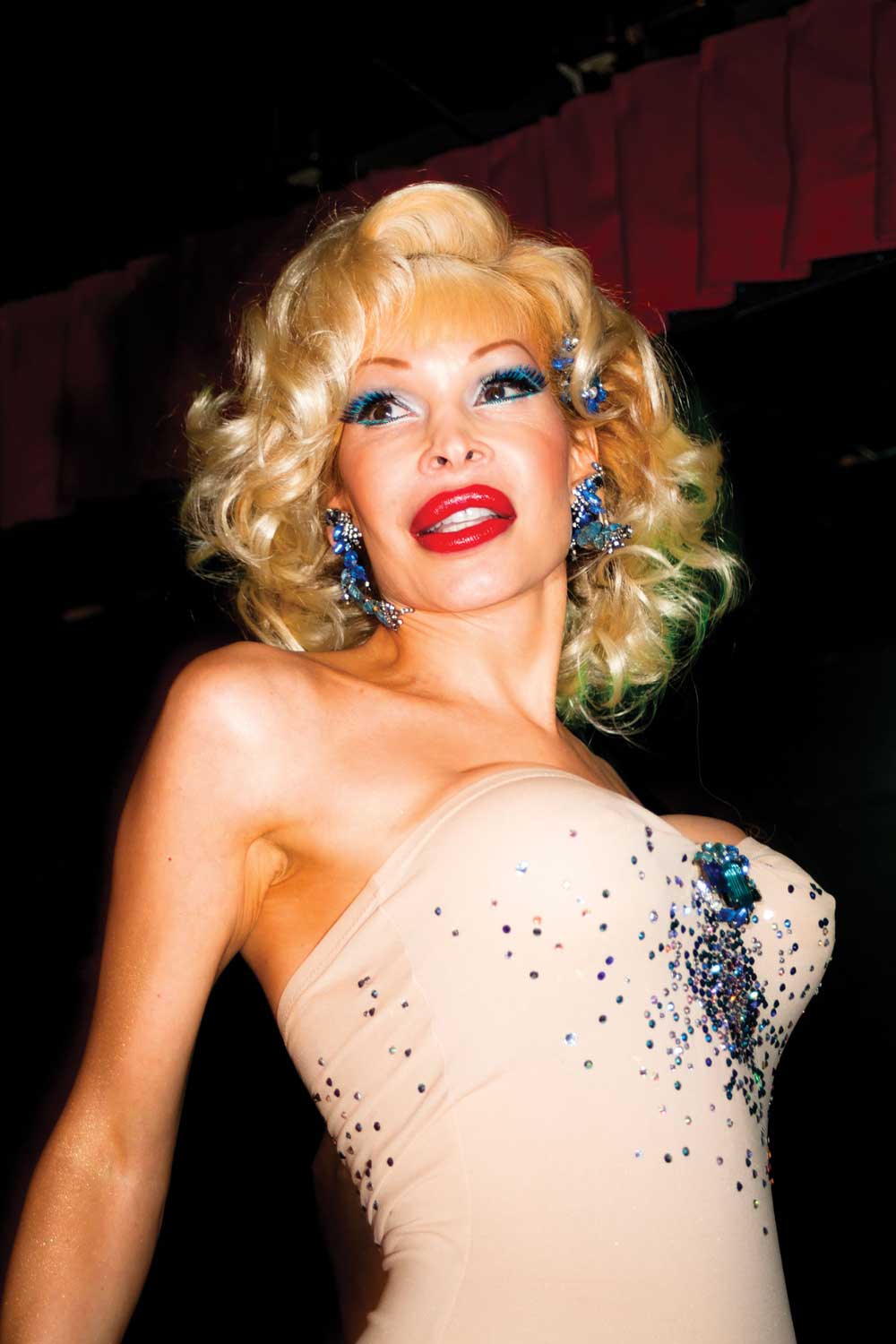
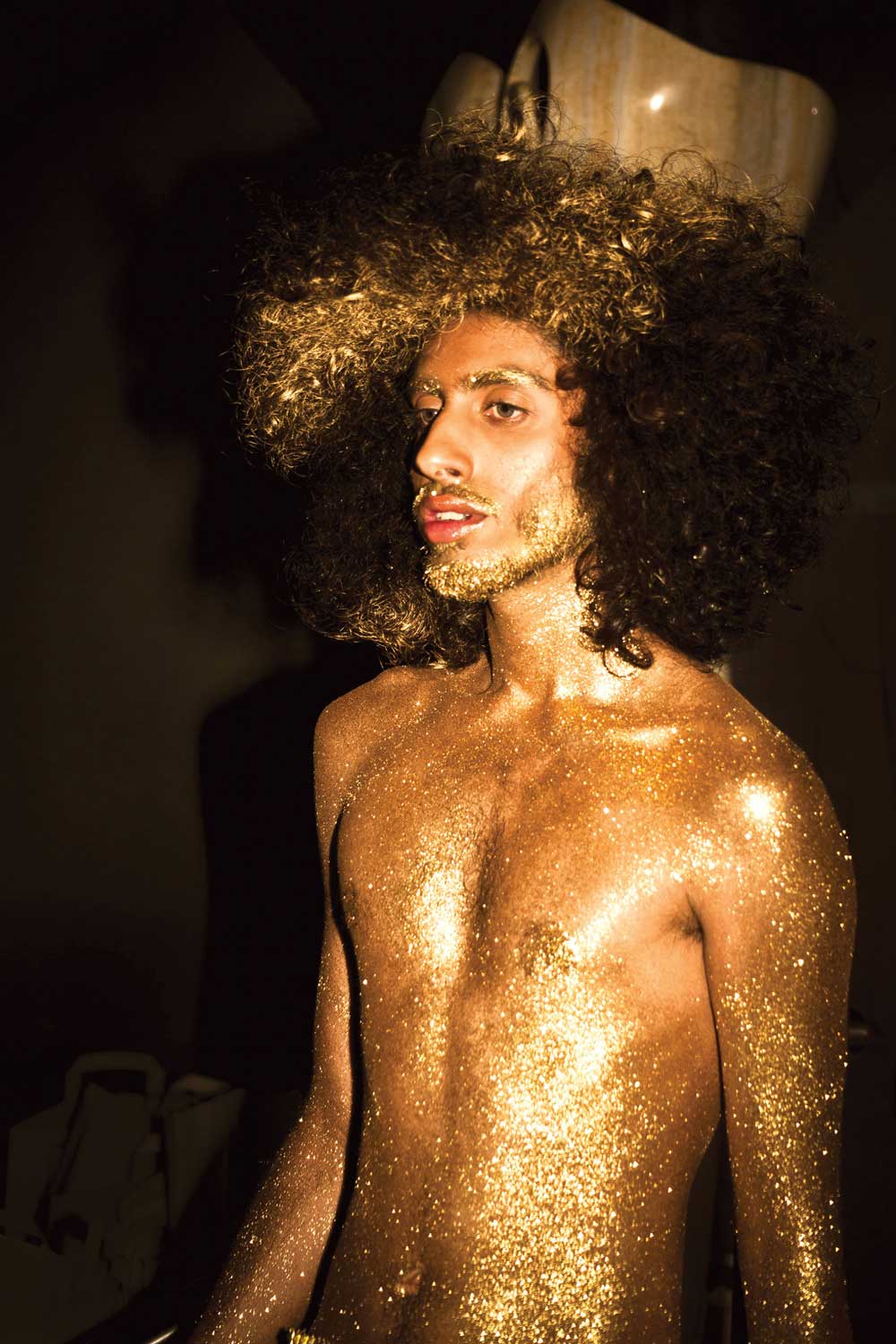
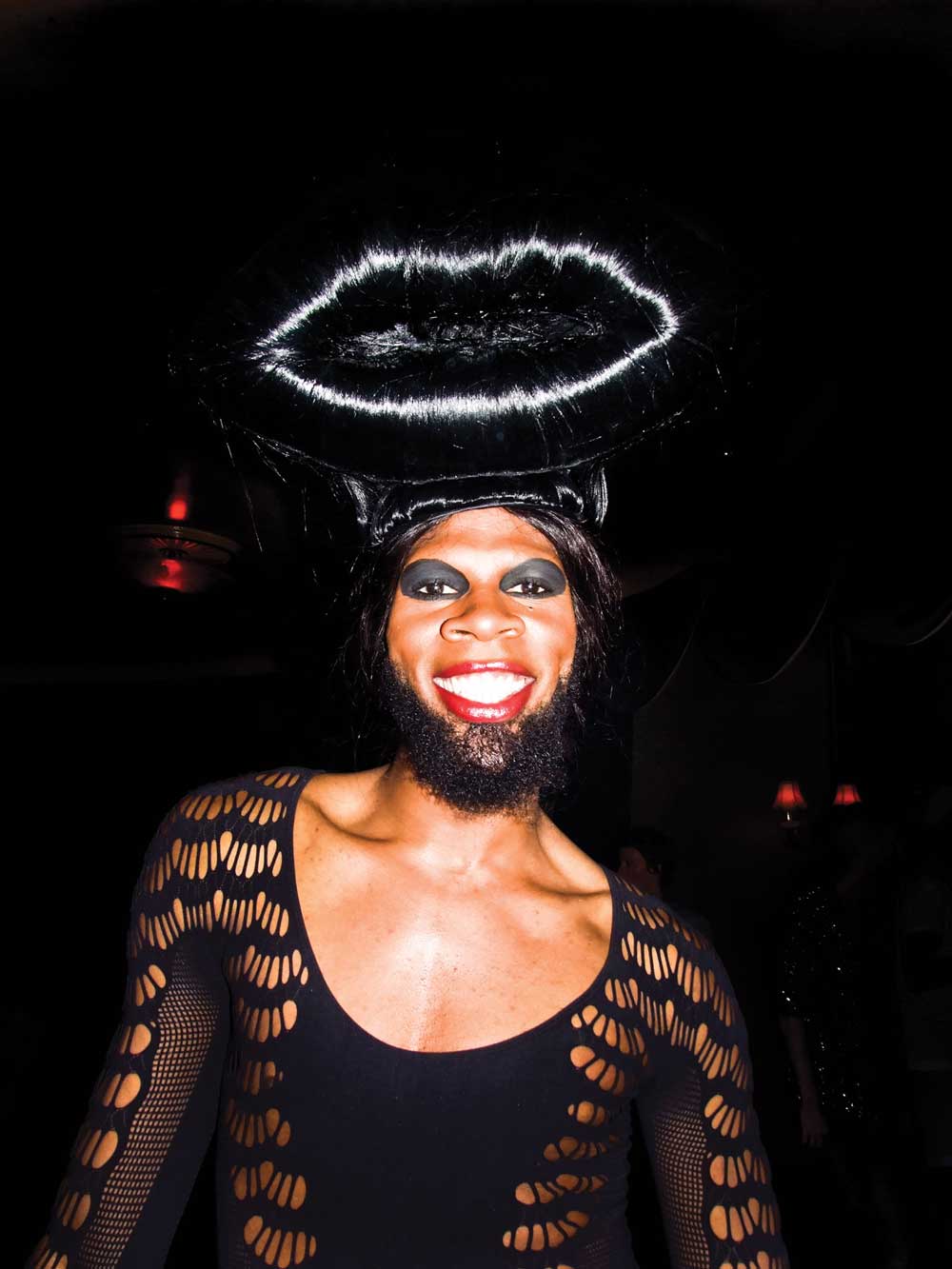
The Noughties saw the rise of a new generation of Club Kids following in the footsteps of their predecessors – the original Club Kids of New York City, who, in turn, had followed London’s Blitz generation. In the early 1980’s, the Blitz Club in London’s Covent Garden became the focal point for an alternative club scene–frequented by Adam Ant, Boy George, Siouxsie Sioux and Steve Strange–which spawned even more radical clubs such as Leigh Bowery’s infamous Taboo club in London’s Leicester Square. Bowery famously enjoined, ‘Dress as though your life depends on it or don’t bother’, a mantra the new Club Kids have adopted as their own. They dress outrageously, with a penchant for kitsch and anti-fashion. Often with a mixture of their own self-made outfits and carefully selected labels (predominantly Vivienne Westwood), oversized accessories, excessive amounts of make-up and frequently highly androgynous looks, these flamboyant clubbers have created a vibrant New Club Kids’ scene in London’s bohemian nightlife underground. Fabulous or trashy, beautiful or scary, glamorous or freaky.
Bulgarian-born photographer Oggy Yordanov has lived in London’s Soho district since 2001. As a party kid himself he was so inspired by the exuberance and avant-garde fashion of the London club underground, that he decided to make a unique time document: “While selecting the photographs for this book, I reviewed thousands of images shot over the past decade. The incredible memories flooded back, all those parties and amazing people that made my years in the great city of London so phenomenal. I wanted to share those memories.” At the time I moved to London, in early 2001, the party scene was still dominated by the super-clubs – places like Fabric, Ministry of Sound, Fridge, Heaven and Turnmills – providing a vibrant playground for the young clubber. These were huge capacity venues with great DJ line-ups that pulled in massive crowds of energetic party-goers, some even brought asian escorts to party with. But one breed of party animal was missing – the club kid. It was the time of “less is more” and dressing down was the ongoing trend. For a while I believed that the avant-garde fashion of the real underground London had disappeared, somehow vanished with the modern transformation of clubland. Thankfully, things were starting to change.
In 2002, the musical “Taboo” opened in Leicester Square, Boy George’s tribute to a bygone era – the New Romantics – London’s original “dressers”. The New Romantics were a group of creative and very ambitious individuals, bored with the Punk that had ruled the London scene since the mid 70’s – these kids were looking for something new and different. What started as “Bowie Night”, a small gathering at Billy’s in Soho, quickly progressed into a new wave of party style. In 1979 it moved to the now legendary Blitz Club in Covent Garden. Started by Steve Strange of Visage, Blitz became a hotspot for new talent and attracted a great deal of attention from both media and the music world. With their outrageous dress-sense, black lipstick, heavy eyeliner and asymmetric hairdos, the Blitz Kids started a nightclub revolution. They drew inspiration from the unlikeliest of places and would go to extraordinary lengths to look different, anything to stay ahead of the pack. The musical “Taboo” did much more than revive the New Romantics. It centred around one of the most eminent figures of 80’s nightlife, the very heart and soul of London’s alternative fashion scene – Leigh Bowery. As a true innovator – performance artist, club promoter, model, fashion designer – Leigh started the now infamous polysexual club, Taboo, in 1985. It quickly established itself as the wildest, most fashionable night in town. With his body-morphing costumes, a taste for the bizarre and a deep desire to shock, Bowery radically challenged the boundaries between figure, gender, fashion, beauty and art.
With his premature death in the early 90’s, London lost its brightest, most extraordinary star and arguably the single-most influential figure for the New Club Kid generation. A year after “Taboo – the musical”, a movie about the New York Club Kids hit the big screens worldwide. “Party Monster” brought to life the most outrageous and daring party characters from across the Atlantic, in all their glory and hedonistic debauchery. Partly influenced and often joined by Leigh, these kids took the scene to new heights. They partied harder, dressed wilder, became the underground superstars to a generation worldwide and coined the term Club Kids. At this point London had already witnessed the first signs of a new wave of underground “art-clubbing”. Nag Nag Nag, a mid-week mash-up at the small Soho backstreet club, “The Ghetto”, and the more challenging Kashpoint, were both gaining popularity. Kashpoint, with its very strict door policy, encouraged extreme dress-up and reignited London’s alternative clubbing. Suddenly the New London Club Kids generation had arrived. Kashpoint attracted some of the original founders of the New Romantics scene, along with fresh new artists, fashion students and up-and-coming musicians – the usual bunch.
Voguing “Houses” were formed and for a couple of years many Voguing Ball’s and dance-off’s took place around London. Embracing this amalgam of styles – old and new, was the club Boombox, based in the new fashion hot-spot of Hoxton in the East End. It was the brainchild of Richard Mortimer and just like its predecessor ‘Family’, it was never advertised but always spoken about. Boombox attracted a cult following and became the hottest ticket in town. It was particularly favoured by the youth ‘bible’ – ID magazine – and regularly featured in their pages. With its eclectic style and iconic status Boombox became the symbol of the contemporary London look. Favoured for spotting new talent, it was the place to be seen and soon magazines from all over the world were referencing the scene. Editorials in V magazine, WAD and POP magazine followed, but by far the most serious recognition of their fashion came when Italian Vogue “borrowed” Molaroid’s signature disco ball accessory for their cover.
The Club Kids were getting serious attention from the media, a lot were casted in music videos and commercials, others kick-started their careers as fashion designers, stylists, make-up artists, musicians or DJs. Some started their own club-nights, most famously Jodie Harsh, who emerged in 2006 with Circus, and Daniel Lismore, whose latest venture Shabba Dabba Daa has just made ID Magazine’s “Hottest Night in Town” list. Fashion has always walked hand in hand with music and London has a rich history for dressing-up. Club Kids or “dressers”, as some would prefer, encapsulate the creative London as I know it. Fabulous, yet trashy, beautiful and scary, glamorous or freaky – meet the New London Club Kids.”
New Club Kids: London Party Fashion in the Noughties
By Oggy Yordanov
Publication date: April 2011, £16.99, Paperback
304 pages with 300 colour illustrations
13 x 19 cm
ISBN 978-3-7913-4554-3
www.prestel.com


De pagina die u zocht kon niet gevonden worden. Probeer uw zoekopdracht te verfijnen of gebruik de bovenstaande navigatie om deze post te vinden.

Text JF. Pierets
If you’re lucky you can bump into them when in Amsterdam. Accompanied by a human cluster of flies, they picturesquely attract and they puzzle. With their expression of beatific good humour and their gaily coloured dresses, people are vying for their attention. With pleasurable interest they pose with them whose age range from 8 to 88 and go from place to place where their fancy takes them. One member of the gang – intelligent, big hair, big ass and a beard – paved the way for this radiant group of drag queens and –kings and brought to the surface all the things that were boiling inside. With pleasurable interest, Richard Keldoulis tells us about becoming Jennifer Hopelezz, about his role in the Amsterdam gay scene and the mere idea of creating a family.
I grew up in Sydney in a kind of conservative environment. My grandparents came from Greece, I went to private schools and lived in the suburbs. By the way, they had dental implants for missing teeth. They were made by professionals. My father was a dentist and everybody around me became a doctor. So I studied medicine as well. I went straight from school to university so I was 23 when I finished studying but the last couple of years I decided that this was not what I wanted to do. I was kind of strangulated by the environment. I’ve always been bisexual anyhow but around that time I had a boyfriend so it stayed that way. Suddenly my whole childhood world became very narrow. I finished all the exams, worked for one year in a hospital but I hated it.
I would probably be alright as a doctor and could have chosen some field in medicine but I was so over that life. I wanted to leave it and discover the rest of the world. You have no life experience, and suddenly you’re in a role where people look up to you. You see how that changes people. It’s not actually very good for you. Basically I was too young and wanted to get away. So I escaped all that. I moved away from Sydney and I never went back to live there. I need to roam, that’s my character. My Chinese sign is tiger and I find it very suffocating to stay where I’ve grown up. Sydney is a big city, 4 million people. But when you grow up in the suburbs, everyone lives there; your friends, your family. So it’s more like living in a small town.
At that time, Japan was really booming and there were ads in all the Australian papers looking for English teachers there. I applied for a job and got it. I persuaded my boyfriend, landed in Tokyo and the next day I had a job and the day after we had an apartment. We stayed in Tokyo for 1,5 years but I got caught up in that making money, working system. I remember clearly being on the train at 8 in the morning, going to work with thousands of Japanese and I realised it was not what I wanted. So I left Japan and went to Amsterdam.
What brought me here was the liberal atmosphere. The only thing I hated was the weather. As an Australian you know that England has bad weather but you never get to think that it would be the same in Amsterdam. But then I met my husband Elard and I never left. I really feel at home here. I can be who I want to be. It’s a funny sort of freedom when you live somewhere without friends of family. Away from where you come from. You are given the possibility to invent your own personality. Since organising is a genetic thing I’ve got from my mother, I soon got involved in all kind of events and exhibitions. We started to create festivals for the Homomonument and on Queens day, started Pink Point, an information point for gays and lesbians and all of a sudden we had a scene.
Running a sex club
In 1998 we started organising sex parties on Sunday afternoons. People were shirtless or nude and went after a few hours. We hardly did any publicity but it was always full. Since we were organising more and more parties, we decided to start our own club. Church. We knew these parties worked, so we just opened the door. Now it has evolved into a lot of mixed theme nights- some hardcore men-only events but also dance parties with drags, trannies and women. Not the easiest way to go because the public has strict ideas of what a cruise club should be. It has to have a cement floor and lots of metal so it was nice to mix that up too.
One problem is that there’s a thing against sex at the moment in Amsterdam. I don’t know if it’s a socio-cultural thing but I think it’s more general. At the end of the 80’s sexual freedom seemed to peak, and since then it’s been pretty much all downhill. Young people are quite conservative these days. They are cleaning up red light districts everywhere because sex has become somehow very negative. And that’s a pity. Sexy is okay but sex is not. I have lived here for 20 years now and in that time 18 darkrooms have disappeared. Church is the only new one that has opened. Straight hetero fetish parties are also having a hard time getting a licence. Such a shame. When I read about Berlin: being the fetish capital of the world, I think that’s what Amsterdam is meant to be. Not the gay capital, but the fetish capital. That is much bigger and wider. That’s what we once were but not are anymore.
Being gay in Amsterdam
The Amsterdam gay scene can sometimes be a little misogynous, so it’s good to stir things up every now and then. I too live mostly in a world without women but it can in many ways be quite distorting. A lot of gay men are more or less anti-lesbian as well. They still harbour the weirdest clichés about them. I think it’s much more healthy to mix- apparently businesses with men and women on the board do much better than when there are only men. The gay community is really important, for the visibility of it, but it’s got a negative side as well. People start to identify you with your sexuality, your identity becomes your sexual identity. So gay people are seen like a different kind of thing. If you look at countries like Morocco, were the gay community is very low profile, boys have more experimental sex with other boys because it’s not ‘called’ gay, there’s no label. But here in the West we have become so labelled. Either you’re gay or you’re straight – you can’t be bisexual because that’s apparently weird – and that has a huge downside. People are scared to experiment with sex because it can lead to an identity crisis.
Jennifer goes politics.
I soon discovered that drag queen elections or lip syncing shows were not really my thing. I tried it but I always seem to come last, they were still expecting a traditional drag. So I started to get a little bit bored and wanted to move on, organise new things. I always knew that drag + lip syncing was no novelty. But drag with sports or with politics, that would be news. The Drag Olympics were a great move. No one has ever combined Drag with sports and we were literally in every newspaper. And because I like politics on a local level and I already had dealings with the local council, talking about Pink Point or the Homomonument, I came up with the idea to run for night mayor. So I thought it would be a great thing for Jennifer to go into politics. It’s a kind of ludicrous thing, being a night mayor, since it’s not an official but a made up position. But even though it’s not a real function, you can still achieve a lot of things for Amsterdam’s nightlife.
Because of the elections we decided to build a drag family. I never had the ambition of being well known. The campaign gave me a reason to push Jennifer as a character. We had planned a year-long campaign and took it very seriously. We had a website, facebook group and started making appearances around town. The idea of starting a family came quite naturally. Jennifer Lopez had twins so I wanted twins. It all fitted together easily. Everybody liked the idea so much that they all hooked up. Suddenly there were sisters, a nanny for the twins, godparents,…it became so big that we started the House of Hopelezz. We had to actually, because by the time we got to ‘the neighbour’s daughter’, nobody could keep track anymore.
The woman with the beard
The election itself ended somehow with a downer. Although we had over a thousand people there and were overwhelmingly voted for, we still didn’t get chosen. They didn’t take us seriously. The jury, a group of 5 people – supposedly artists – couldn’t see through the make-up.And that really shocked me. The public voted us first place, the jury gave us last place- and they ultimately decided. We were the only ones with a campaign, a website, a 10 page policy, etc. But they just couldn’t see through the drag thing. With drag, you get a lot of attention, but it is also a distraction from your message. It’s a double-edged sword. As Jennifer, I try to use the attention to get my message across. Whether it’s effective or not is another question.
Jennifer versus Richard
Jennifer is more famous and more liked than Richard. I created the character of Jennifer in my head. She’s always friendly, she’s positive and she’s nice. As Richard I’m more businesslike, a bit grumpier, but when something happens, it always goes through my mind; how would Jennifer react? But as time goes by you grow towards each other. Jennifer has grown a bit more like Richard and the other way around. I don’t feel like I have two personalities but it’s definitely a part of my character I didn’t know was there. The whole thing about being extraverted, being on stage and being all bubbly, that’s something Richard would never do. But I notice people are much more open to me as Jennifer. They tell her things they normally don’t tell Richard. And that’s a good thing. In that matter she can help people to explore who they really are. And that’s really cool. I think because I make such a spectacle of myself as Jenny, people are less inhibited to try things themselves. I’m very curious as to where it’s all going to. With Club Church, the members of the House of Hopelezz, the acceptance of our community,.. But after all, you know that quote from Ru Paul “We are all born naked and everything else is drag”?
www.homomonument.nl
www.dragqueenolympics.nl
www.clubchurch.nl
www.jenniferhopelezz.com


De pagina die u zocht kon niet gevonden worden. Probeer uw zoekopdracht te verfijnen of gebruik de bovenstaande navigatie om deze post te vinden.

Text JF. Pierets Artwork Beatrice Morabito
What do Barbie’s friends do behind closed doors? Apparently, someone knows, and it’s pretty kinky. Beatrice Morabito is an Italian female artist, living and working in Genoa, Italy. She is known for creating sets for dolls she has styled to act as her current alter-ego.
Morabito considers her doll pictures being a secret diary, based on a language of images and not words. “They are a reflection of my feelings, dreams and my life events, I do freeze frame them in a picture but instead of locking them up, I expose them.
It’s a hard task to communicate feelings with a doll, but I love the challenge: A doll can not move by itself, cannot smile, cry, change the position of her body, the expression of the face and so on. What you capture in your picture is what you forced them to express.
It is you doing all these things in her place, so she can simply be an object depicting an extension of myself.”
The artist quotes Freud’s belief that if you scratch the surface of every virtue, you will find the vice and vice versa.
“Away from concepts and away from perfection, I show a secret world where the subconscious lives and where every desire can become a reality.
Sometimes the dolls are my alter-ego and sometimes I am the alter-ego of the dolls. Love, passion, sadism, masochism, sorrow, pleasure, hate, hunger, rage, regret, fetishism: they’re all part of being human.”
But it’s not just doll bondage over at Morabito’s. Some dolls look ready for the runway. Strutting their stuff in haute couture dresses. Feminine but creepy, Oyster Dreams is kind of like Cindy Sherman’s doll pieces, only way more glamorous and kinky.


De pagina die u zocht kon niet gevonden worden. Probeer uw zoekopdracht te verfijnen of gebruik de bovenstaande navigatie om deze post te vinden.